
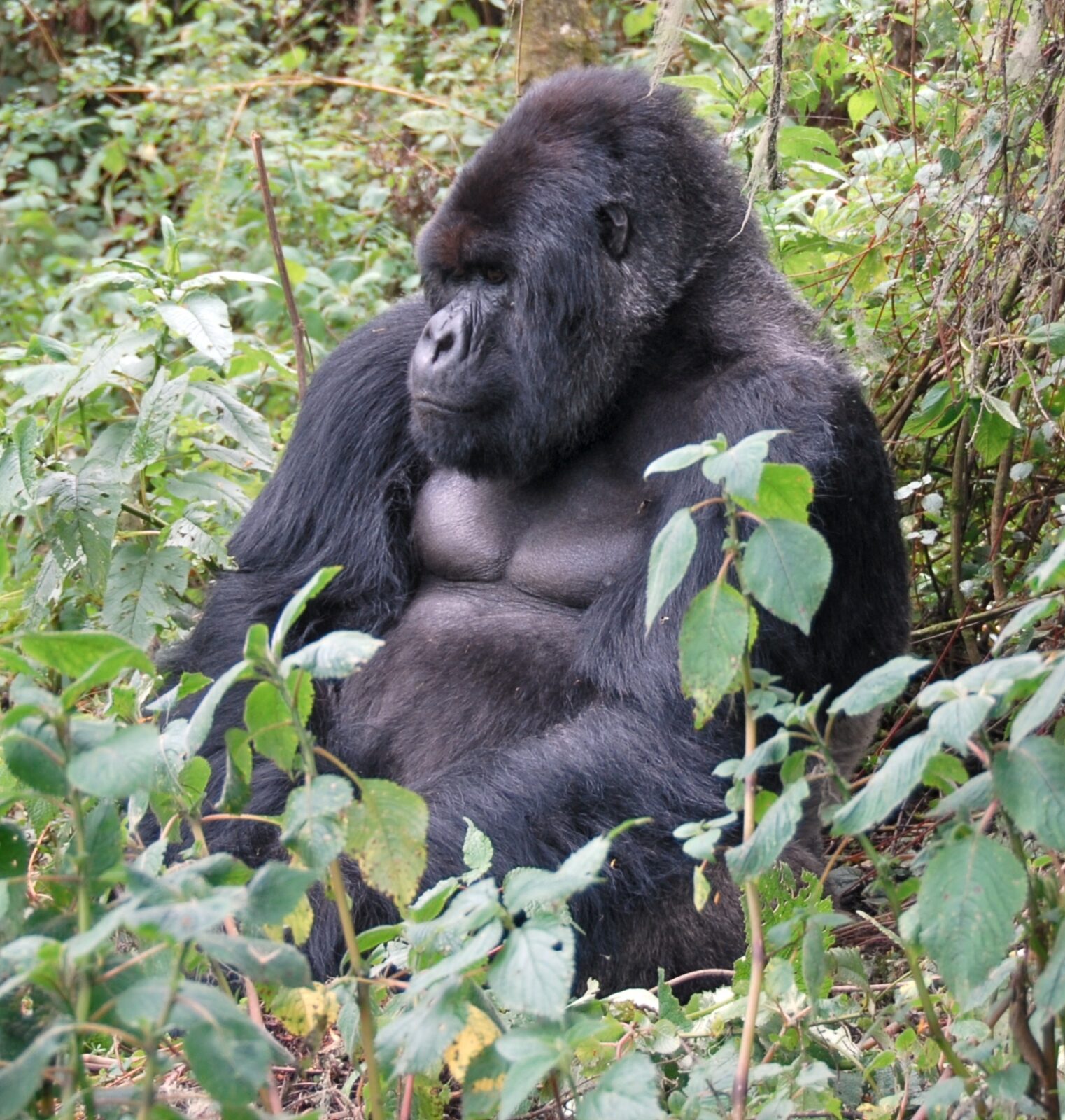
Shoulder season occupies a genuinely useful middle ground in gorilla trekking planning — better odds and pricing than peak demand periods, without committing fully to rainy season’s wetter conditions. Can I get a discount on gorilla permits during shoulder season deserves the same clear, direct answer as every other seasonal version of this question, and understanding it properly helps you use this often-overlooked window to real advantage.
This guide covers exactly what shoulder season means for gorilla trekking, why the permit price still doesn’t change, and how to make the most of this genuinely strategic booking window.
The Direct Answer: No Discount on the Permit Itself
Uganda Wildlife Authority and Rwanda Development Board both maintain a single, fixed permit price throughout the entire year, with shoulder season carrying no built-in reduction of any kind. The permit fee is set by conservation funding requirements rather than standard travel-industry demand pricing, so shoulder season’s more moderate demand level, while genuinely useful for other reasons, doesn’t translate into a lower government-set fee.
What Shoulder Season Actually Means Here
Shoulder season refers to the transitional periods between peak dry-season demand and the quieter rainy months — a stretch where weather conditions are often still reasonably favourable but overall visitor numbers and non-permit pricing haven’t yet reached full peak-season levels. This makes it a genuinely distinct window from both extremes, worth understanding on its own terms rather than lumping it in with either dry or rainy season entirely.
Photography and Scenery During Shoulder Season
Shoulder season often delivers a genuinely appealing middle ground for photography too — greener vegetation than peak dry season without rainy season’s more persistent cloud cover, giving landscape and wildlife photographers a favourable combination of good light and vivid scenery in the same trip.
Why Shoulder Season Is Often the Smart Choice
Shoulder season frequently offers close to dry-season trekking conditions while carrying meaningfully better availability and lower accommodation costs than genuine peak periods, making it a strong practical compromise for trekkers who want reasonably reliable weather without paying full peak-season prices for everything surrounding the permit. Experienced trekkers and repeat visitors often specifically target these windows for exactly this balance.
Where the Real Savings Come From
As with every other season, shoulder season savings come entirely from the non-permit side of your trip — lodges often price shoulder season somewhere between their peak and low season rates, and transport and guiding availability tends to be genuinely easier to arrange without the intense competition of full peak season. The permit fee stays the one unmoving number throughout.
Availability Advantages Beyond Pricing
Shoulder season’s more moderate demand also means permit availability itself tends to be meaningfully better than during genuine peak windows, even though the price is identical either way. Trekkers with somewhat flexible dates who specifically target shoulder season often find booking considerably less stressful than trying to secure a peak-season date months in advance against intense competition for the same fixed daily capacity.
Insurance and Flexibility Considerations for Shoulder Season
Given shoulder season’s inherent weather variability, travel insurance with genuinely comprehensive trip coverage is worth having in place regardless of season, but particularly so during a transitional window where conditions are less predictable than either full dry or full rainy season. A small amount of buffer time built into your itinerary around your trek date also helps absorb any unexpected weather-related delays.
Road and Transport Considerations During Shoulder Season
Because shoulder season sits in transition, road conditions can vary depending on exactly how much rain has fallen recently — sometimes closer to dry-season firmness, sometimes carrying some of the same challenges rainy season brings to more remote trailheads. Checking recent conditions with your operator closer to your travel date, rather than relying solely on a generic seasonal assumption, gives the most accurate picture for transport planning.
Identifying Shoulder Season Windows
Exact shoulder season timing varies somewhat by year and by which specific peak or rainy period you’re transitioning between, generally falling in the weeks bordering the main dry and rainy season blocks. Because these windows aren’t as rigidly defined as the core peak and rainy periods, checking current conditions and recent weather patterns with a licensed operator is worth doing specifically for your intended travel dates rather than relying on a fixed calendar assumption.
Who Benefits Most From Targeting Shoulder Season
Trekkers with genuine flexibility on exact travel dates, those balancing cost against weather risk, and anyone booking somewhat closer to their travel window than peak-season planning ideally allows all tend to benefit disproportionately from specifically targeting shoulder season, since it offers a meaningfully better combination of availability and conditions than either full extreme alone.
Weather Considerations During Shoulder Season
Conditions during shoulder season can be genuinely variable — sometimes close to dry-season trail conditions, sometimes carrying a real chance of rain depending on exactly where in the transition you’re travelling. Packing for some possibility of rain, even during a nominally favourable shoulder-season window, is a sensible precaution rather than an unnecessary one.
What Long-Term Trend Data Shows About Permit Prices
Both Uganda’s and Rwanda’s permit prices have generally trended upward over time rather than down, regardless of season, reflecting rising conservation costs rather than any seasonal demand adjustment. This reinforces that waiting for a shoulder season discount that has never existed historically isn’t an effective strategy — the more productive approach is timing your travel around genuinely variable non-permit costs instead.
Shoulder Season Versus a Fully Committed Peak Season Trip
Trekkers weighing shoulder season against a fully committed peak-season trip should recognise both offer the identical permit fee and identical structured gorilla encounter once you’re actually in the forest — the real difference lies entirely in accommodation cost, crowd levels, and the modest amount of extra weather risk shoulder season carries in exchange for those advantages.
Booking Strategy for Shoulder Season
Given shoulder season’s genuine combination of reasonable conditions and better availability, trekkers with even modest flexibility on exact travel dates are well served considering these windows specifically rather than defaulting automatically to peak season. Discussing current shoulder-season conditions and pricing directly with an experienced operator, rather than relying on generic seasonal guides alone, produces the most accurate picture for your specific trip.
Setting Realistic Expectations Before You Book
Going into shoulder season planning with a clear understanding that the permit price never moves, regardless of the transitional timing, redirects your research energy productively toward the genuine variables — current weather patterns, accommodation rates, and operator availability for your specific window.
Frequently Asked Questions
Is shoulder season noticeably cheaper overall than peak season?
Generally yes, for accommodation and transport specifically, even though the permit price itself remains exactly the same across every season regardless of demand or timing.
Are shoulder season trekking conditions close to dry season’s?
Often reasonably close, though genuinely variable — conditions during these transitional weeks can range from dry-season-like to occasional rain, so checking current specifics with an operator is worth doing.
Is shoulder season a good compromise for trekkers who can’t fully commit to rainy season?
Yes, often the ideal middle ground — better odds and pricing than peak season, without rainy season’s more consistent wet-trail conditions.
How do I know exactly when shoulder season falls for my destination?
Exact timing varies by year and location, so confirming current conditions with a licensed operator for your specific travel window is more reliable than relying on a fixed generic calendar.
Can my operator offer a permit discount specifically for shoulder season bookings?
No — operators purchase permits at the same fixed government rate regardless of season and pass that cost through unchanged, so any genuine shoulder season discount applies only to accommodation and transport costs.
Should I check road conditions closer to my travel date during shoulder season?
Worth doing — since shoulder season sits in transition, recent rainfall can meaningfully affect specific road conditions, so a closer check with your operator gives a more accurate picture than relying on a generic seasonal assumption alone.
Is shoulder season good for photography specifically?
Often genuinely excellent — greener vegetation than peak dry season combined with better light than rainy season’s persistent cloud cover gives photographers a favourable combination many find hard to beat.
Should I buy travel insurance specifically because I’m trekking during shoulder season?
Comprehensive travel insurance is worth having regardless of season, but shoulder season’s transitional variability makes it a particularly sensible precaution against unexpected itinerary disruptions and transport delays alike.
Whichever season you ultimately choose, going in with an accurate understanding of what’s fixed and what’s genuinely variable puts you in a far stronger position to budget realistically for your entire trip.
Plan the Rest of Your Trip
For the complete national picture of what a gorilla safari costs, this full cost breakdown is worth reading, alongside this Uganda permit cost guide. For a fuller picture of the surrounding seasons, this dry season discount guide and this peak season discount guide round out the complete seasonal picture for planning your trip.