
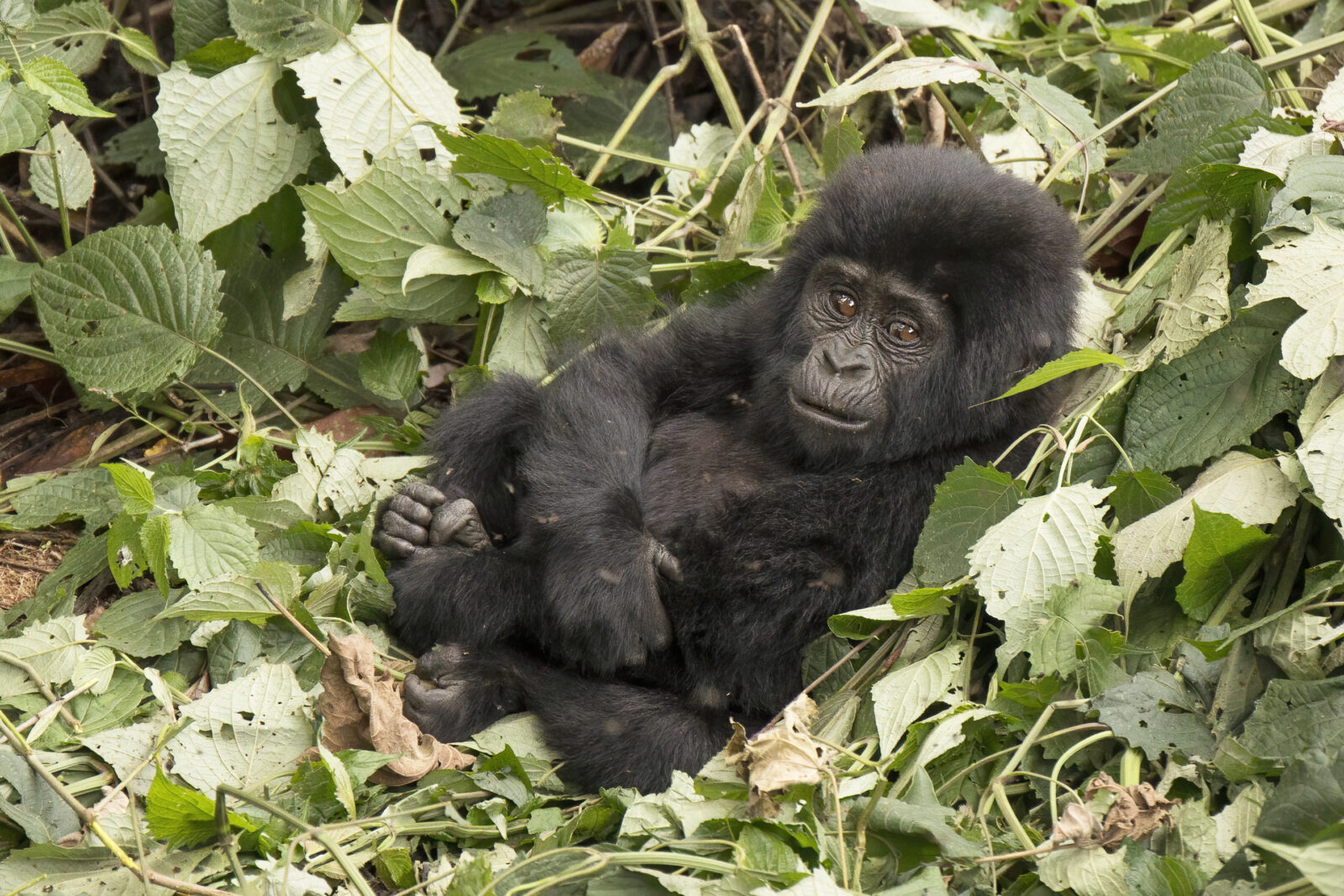
Buhoma sector has earned a genuine reputation as Bwindi’s gentlest trekking option, and trekkers researching this specific sector deserve an honest answer about what that reputation actually means physically, rather than assuming “gentlest” translates to “easy.” What fitness level do I need for gorilla trekking in Buhoma has a genuinely specific answer shaped by this sector’s comparatively moderate terrain and well-established infrastructure.
This guide covers Buhoma’s actual physical demands, why it’s genuinely a good starting point for less experienced trekkers, and how to prepare properly regardless of your current fitness level.
Why Buhoma Deserves Its Own Specific Fitness Answer
Buhoma’s reputation as Bwindi’s gentlest sector is genuinely earned relative to Nkuringo or Rushaga’s terrain, but “gentlest” within Bwindi’s context still means real forest terrain with genuine elevation change – worth understanding this relative comparison rather than assuming an easy walk.
The Short Answer: Moderate Fitness, the Most Accessible Option Within Bwindi
Trekkers need moderate general fitness and comfort with uneven forest terrain for several hours, genuinely more accessible than Nkuringo or Rushaga but still requiring real physical preparation – worth treating this as the entry point for less experienced trekkers, not a fitness-free activity.
Why Buhoma’s Terrain Is Genuinely More Moderate Than Other Sectors
Buhoma’s trails generally involve less extreme elevation change than Nkuringo’s valley structure or Rushaga’s consistent undulation, meaning the physical demand here is genuinely more manageable for trekkers with moderate rather than exceptional fitness – worth understanding as a real, meaningful difference, not just marketing language.
How Buhoma’s Established Infrastructure Affects the Overall Experience
As Bwindi’s original and most established trekking sector, Buhoma benefits from genuinely well-maintained trails and experienced ranger teams accustomed to a wide range of trekker fitness levels – worth considering as a practical advantage beyond the terrain itself if this is your first gorilla trekking experience.
Why Buhoma Is Often Recommended for First-Time Trekkers
Given its comparatively gentler terrain and well-established support systems, Buhoma is genuinely a sensible recommendation for first-time trekkers or those with any fitness uncertainty – worth prioritizing this sector specifically if you’re unsure how your body will handle gorilla trekking’s general demands.
Building a Realistic Preparation Routine for Buhoma
Regular walking, moderate hiking on varied terrain, and general cardiovascular conditioning in the weeks before your trip meaningfully improve your Buhoma trek experience, even though the demands here are genuinely more forgiving than at steeper sectors.
Why Porters Are Still Worth Hiring at Buhoma
Even at Bwindi’s gentlest sector, hiring a porter offers real value – reduced physical toll from carrying your own gear, plus direct income support for the local community – worth budgeting for regardless of Buhoma’s comparatively moderate terrain.
What a Realistic Buhoma Trek Day Actually Looks Like
A Buhoma trek day follows the standard structure – early briefing, guided hike through genuinely more moderate terrain than other sectors, an hour of viewing time, and the return – worth still budgeting a full, active day even given the comparatively gentler terrain profile.
How Buhoma Compares to Bwindi’s Other Sectors for Fitness Planning
Trekkers choosing between Bwindi’s four sectors specifically for fitness reasons should genuinely prioritize Buhoma over Nkuringo or Rushaga if moderate fitness or any physical uncertainty is a real factor – worth discussing this comparison directly with your operator when booking.
What Rangers Say About Buhoma’s Suitability for Varied Fitness Levels
Rangers at Buhoma consistently note they accommodate a genuinely wide range of trekker fitness levels here more comfortably than at steeper sectors, given the terrain’s more forgiving nature – worth taking this practical, experience-based observation seriously when choosing your sector.
Why Buhoma Suits Multi-Generational Family Trips
Given its comparatively moderate terrain, Buhoma is often specifically recommended for family trips spanning multiple generations, where fitness levels genuinely vary widely between trekking family members – worth prioritizing this sector if you’re planning a trip with both very fit and less fit companions.
How Weather Affects Buhoma’s Physical Difficulty
Even at Bwindi’s gentlest sector, wetter months genuinely increase difficulty through slicker, muddier trails, while drier months offer firmer footing – worth factoring seasonal timing into your preparation and gear choices regardless of Buhoma’s comparatively moderate baseline terrain.
What Combining Buhoma With the Batwa Cultural Trail Means Physically
Buhoma is home to the popular Batwa cultural trail experience, and trekkers combining this with their gorilla trek on a separate day should still budget reasonable recovery time between activities, though the cultural trail’s own demands are generally considerably gentler than the gorilla trek itself – worth spacing them sensibly rather than treating either as trivial additions to an already active day.
Why Buhoma’s Accessibility Makes It a Popular Choice for Older Trekkers
Given its comparatively moderate terrain, Buhoma is frequently recommended specifically for older trekkers or seniors managing gradually declining fitness, worth prioritizing this sector if age-related fitness considerations are a genuine factor in your planning, alongside the standard preparation steps like porters and trekking poles that benefit any trekker here.
How Buhoma’s Location Affects Overall Trip Logistics and Energy
Buhoma sits within reasonable driving distance of several well-established lodges, meaning trekkers can generally avoid the longer, more exhausting pre-dawn transfers sometimes required for sectors accessed from Kisoro – worth factoring this genuine logistical advantage into your broader energy budget for the day.
What Experienced Trekkers Say About Choosing Buhoma Deliberately
Trekkers who’ve chosen Buhoma specifically, rather than being assigned there by default, often cite the genuine combination of moderate terrain and Bwindi’s classic forest scenery as a deliberate, satisfying choice – worth considering this sector on its own merits rather than only as a fallback for less-fit travelers.
Final Thoughts on Preparing for Buhoma’s Comparatively Moderate Demands
Buhoma rewards trekkers who approach it with realistic expectations – genuinely more accessible than Bwindi’s other sectors, but still demanding real physical preparation rather than treating it as effortless – moderate fitness conditioning and honest planning make this genuinely achievable for most reasonably active travelers.
Why Honest Self-Assessment Still Matters Even at the Gentlest Sector
Choosing Buhoma specifically for its comparatively gentler reputation doesn’t remove the value of genuine self-assessment before your trip – trekkers with significant mobility limitations should still discuss their specific situation with a doctor and their operator beforehand, since “gentlest within Bwindi” is a relative standard, not an absolute guarantee of ease for every individual circumstance.
Frequently Asked Questions
Is Buhoma genuinely easier than Bwindi’s other sectors?
Yes, comparatively – its terrain involves less extreme elevation change than Nkuringo or Rushaga, though it still demands real fitness, not an effortless walk.
Is Buhoma good for a first-time trekker?
Genuinely, yes – its comparatively gentler terrain and well-established support systems make it a sensible starting point for less experienced trekkers.
Should I still hire a porter at Buhoma given its gentler terrain?
Worth it regardless – a porter reduces physical toll while directly supporting the local community, valuable even at Bwindi’s most moderate sector.
Is Buhoma suitable for multi-generational family trips?
Often specifically recommended for this – its moderate terrain suits family groups where fitness levels genuinely vary widely between members.
Do rangers at Buhoma accommodate a wide range of fitness levels?
Generally, yes – they’re accustomed to comfortably supporting varied trekker fitness here more than at Bwindi’s steeper sectors.
Does season still affect difficulty at Buhoma?
Yes, meaningfully – wetter months bring slicker, muddier trails even at this comparatively gentle sector, worth factoring into your preparation.
Should I choose Buhoma over Nkuringo or Rushaga if I’m unsure about my fitness?
Generally worth prioritizing – Buhoma’s more forgiving terrain suits trekkers with moderate fitness or any real physical uncertainty better.
How long is a typical Buhoma trek day?
It follows the standard structure of briefing, guided hike, viewing hour, and return, though generally involving less extreme terrain than other sectors.
Does Buhoma’s established infrastructure make a real difference?
Genuinely, yes – well-maintained trails and experienced ranger teams accustomed to varied fitness levels offer a real practical advantage.
Is Buhoma completely effortless given its reputation as the gentlest sector?
No – it’s genuinely more moderate than other sectors, but still real forest terrain requiring actual physical preparation, not an easy stroll.
Is Buhoma a good choice for older trekkers or seniors?
Frequently recommended specifically for this – its comparatively moderate terrain suits trekkers managing gradually declining fitness better than steeper sectors.
Does Buhoma’s location offer any logistical advantage?
Yes, genuinely – its proximity to well-established lodges generally means shorter, less exhausting pre-dawn transfers than sectors accessed from Kisoro.
Should I combine my Buhoma trek with the Batwa cultural trail?
You can, but budget reasonable recovery time between them, even though the cultural trail’s own demands are considerably gentler than the trek itself.
Does choosing Buhoma remove the need for honest fitness self-assessment?
No – “gentlest within Bwindi” is a relative standard, so genuine self-assessment and discussing real concerns with a doctor still matters here too.
Plan the Rest of Your Trip
For the full cost picture, this Buhoma permit cost guide is worth reading, alongside this full cost breakdown. For further planning, this broader Bwindi fitness guide is a useful next read, and this guide on trekking safely with limited mobility covers related preparation for less-fit trekkers.