
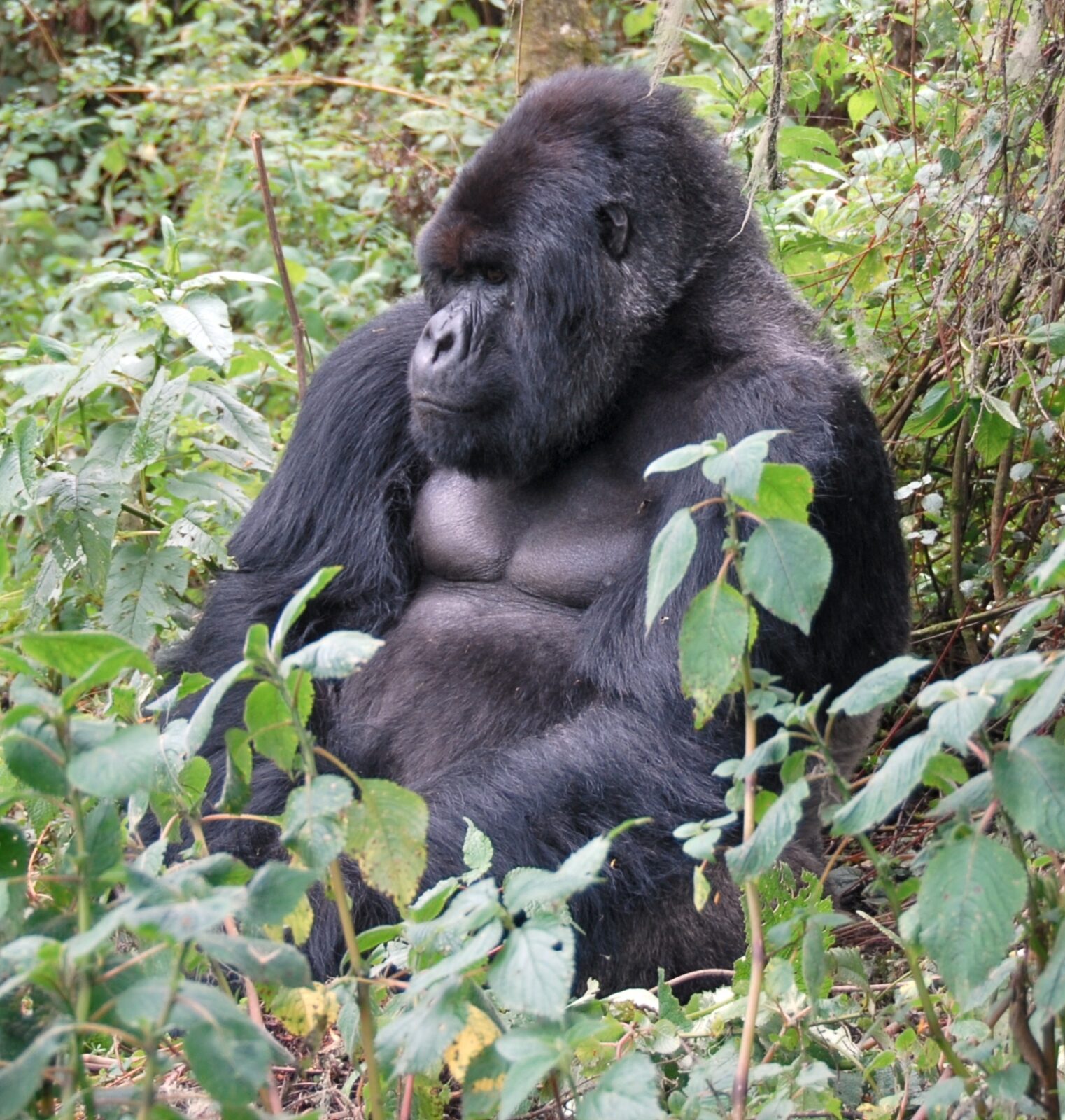
Gorillas are wild animals moving freely through genuinely vast forest territory, not stationary attractions waiting in a fixed location, and trekkers naturally wonder what actually happens on the rare occasions when a family proves genuinely difficult to locate on a given trek day. What do rangers do if gorillas are hard to find deserves a specific answer grounded in the real system built to handle exactly this scenario.
This guide covers what actually happens when a gorilla family proves hard to locate, how the tracking system genuinely works, and what this means for your own trek-day expectations.
Why This Scenario Is Genuinely Rare But Worth Understanding
While gorilla families are typically located successfully, understanding what genuinely happens in the less common scenario where a family proves harder to find helps set realistic expectations rather than assuming every trek follows an identical, predictable timeline.
The Short Answer: A Dedicated Tracker Team Works Ahead of Your Group
Advance trackers, who set out before trekking groups each morning, genuinely work specifically to locate each habituated family’s current position, meaning by the time your group begins hiking, rangers typically already have a strong sense of the family’s approximate location.
How the Advance Tracking System Actually Works
Trackers genuinely use knowledge of each family’s territory, recent movement patterns, and physical signs – nests, feeding traces, vocalizations – to narrow down a family’s current location before radioing this information back to your guide, who then adjusts your specific route accordingly.
Why Some Days Genuinely Take Longer Than Others
Gorilla families move based on food availability and natural behavior patterns, meaning some days genuinely require longer tracking than others – worth understanding this as normal variation rather than a sign that something has gone wrong with your specific trek.
What Rangers Do When Initial Tracking Signals Prove Unclear
When initial signs don’t clearly indicate a family’s location, trackers genuinely expand their search radius systematically, drawing on their deep familiarity with the family’s typical territory and recent movement history rather than searching randomly.
How Radio Communication Keeps Your Trek Coordinated
Continuous radio communication between advance trackers and your guide genuinely allows real-time route adjustments as new information comes in, meaning your trek’s actual path can shift meaningfully based on updated tracking intelligence throughout the morning.
Why Extended Search Time Doesn’t Mean the Trek Will Fail
Even when initial tracking takes longer than the average estimate, this genuinely doesn’t mean your trek will ultimately fail to locate the family – park authorities report consistently high success rates precisely because of this dedicated, systematic tracking approach.
What Happens if a Family Genuinely Cannot Be Located That Day
In the rare event a family genuinely cannot be located within a reasonable timeframe, park policies typically offer some form of compensation or rebooking option, worth confirming the specific policy with your operator before your trip for genuine peace of mind.
Why Trackers’ Local Knowledge Matters More Than Technology
While some tracking incorporates modern tools, trackers’ genuine deep local knowledge – years of experience with specific families’ habits and territory – remains the most important factor in locating gorillas, worth appreciating this human expertise behind your trek’s success.
How This System Differs Slightly Across Uganda, Rwanda, and Congo
While the fundamental advance-tracking approach is genuinely consistent across all three countries’ park authorities, specific operational details and communication systems vary somewhat, worth understanding this as a shared philosophy applied with some genuine regional variation.
Why Your Own Pace Doesn’t Actually Affect Tracker Success
Trekkers sometimes worry their own pace affects whether trackers successfully locate the family, when in reality tracker work happens largely independently ahead of your group – worth understanding this separation, which means your fitness level affects your comfort but not the tracking outcome itself.
What Rangers and Guides Say About Managing Extended Search Days
Guides consistently emphasize patience and trust in the tracking system during longer search days, noting that the eventual gorilla encounter’s genuine value isn’t diminished by a longer approach – worth adopting this same patient mindset if your specific trek runs longer than average.
Why Nest Sites Genuinely Serve as a Key Tracking Signal
Gorillas build fresh nests nightly, and trackers genuinely use the previous night’s nest site as a starting reference point, working outward from this location using knowledge of the family’s typical daily movement radius – worth understanding this specific, practical tracking method as one of several tools trackers rely on.
How Weather Genuinely Affects Tracking Difficulty
Heavier rain can genuinely wash away tracking signs like footprints or feeding traces more quickly than drier conditions preserve them, meaning weather occasionally adds real difficulty to the tracking process independent of the gorilla family’s own movement patterns.
Why Vocalizations Sometimes Provide the Clearest Signal
Gorilla vocalizations – chest beats, calls between family members – genuinely carry over meaningful distance through the forest, and experienced trackers use these sounds as a valuable, sometimes decisive signal when visual tracking signs prove less clear.
What Happens to Your Trek Timeline During an Extended Search
Your guide genuinely keeps your group informed of the search’s progress throughout an extended tracking period, worth expecting some uncertainty about exact timing rather than a rigid, minute-by-minute schedule during days requiring more extensive tracking effort.
Why Multiple Trekking Groups Don’t Interfere With Each Other’s Tracking
Given each habituated family has its own dedicated tracker team, multiple trekking groups pursuing different families on the same day genuinely operate independently without interfering with each other’s search efforts, worth understanding this parallel system operates smoothly across an entire park.
Final Thoughts on Understanding the Tracking System
The genuine dedication and skill of advance trackers, working systematically and in real-time coordination with your guide, explains why gorilla trekking maintains such consistently high success rates despite gorillas’ natural, unpredictable movement – worth trusting this system fully rather than worrying unnecessarily about a longer-than-average search on your specific trek day.
Why Trackers’ Job Genuinely Continues Even While Trekkers Wait at Viewing
Even after your group reaches the gorilla family, trackers often remain nearby monitoring the group’s movement, worth appreciating this ongoing, largely invisible work that continues supporting a smooth trekking operation well beyond just the initial locating phase of your day.
Frequently Asked Questions
Do trackers start looking for gorillas before trekkers begin hiking?
Yes, genuinely – advance trackers set out each morning specifically to locate each family’s current position before trekking groups even begin.
What happens if a family proves genuinely difficult to locate?
Trackers systematically expand their search using deep knowledge of the family’s territory and movement patterns, rather than searching randomly.
Does a longer search mean my trek will likely fail to find the gorillas?
No – extended tracking time doesn’t indicate failure; success rates remain consistently high precisely because of this systematic approach.
What if a family genuinely cannot be located that day?
Park policies typically offer some compensation or rebooking option, worth confirming the specific policy with your operator before your trip.
How do trackers and guides communicate during the search?
Continuous radio communication allows real-time route adjustments as trackers update your guide on the family’s evolving location.
Does my own fitness level affect whether trackers find the gorillas?
No – tracker work happens largely independently ahead of your group, so your pace affects comfort, not the actual tracking outcome.
Do trackers use technology or mainly local knowledge?
Primarily deep local knowledge and experience with specific families, though some modern tools support this human expertise as well.
Does this tracking system work the same way in Uganda, Rwanda, and Congo?
The fundamental advance-tracking approach is consistent, though specific operational details vary somewhat by country’s park authority.
Why do some trek days take longer than others?
Gorilla families move based on natural food availability and behavior patterns, creating normal day-to-day variation in search time.
Should I worry if my trek is taking longer than the average estimate?
Not particularly – trust the tracking system’s proven consistency and adopt a patient mindset rather than assuming something has gone wrong.
Do trackers use the previous night’s nest site to start their search?
Yes, genuinely – nest sites serve as a practical starting reference point, with trackers working outward using knowledge of typical movement patterns.
Does rain make tracking genuinely harder?
Sometimes, yes – heavier rain can wash away footprints and feeding traces more quickly, adding real difficulty independent of gorilla movement.
Do multiple trekking groups interfere with each other’s tracking on busy days?
No – each family has its own dedicated tracker team, so groups pursuing different families operate independently without interference.
Do trackers continue working after my group reaches the gorillas?
Often, yes – they frequently remain nearby monitoring the group’s movement, continuing their support role well beyond the initial locating phase.
Plan the Rest of Your Trip
For the full cost picture, this full cost breakdown is worth reading, alongside this guide on weather and success rates. For further planning, this group size limit guide is a useful next read, and this guide on choosing your family covers related trek-day logistics.