
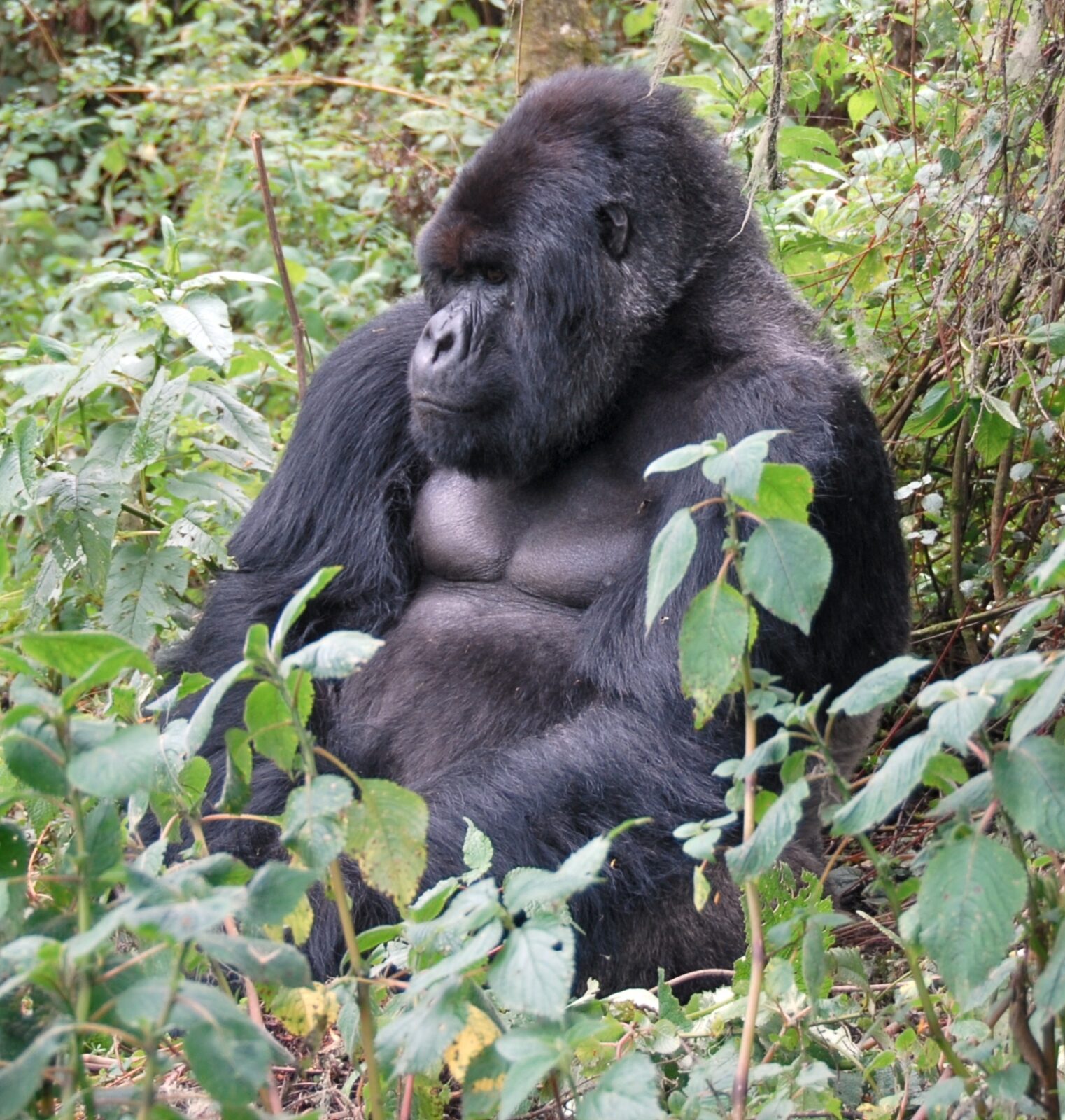
Gorilla trekking’s genuinely strict behavioral rules exist for real, well-researched reasons, and trekkers deserve to understand exactly what’s expected of them before standing in front of a wild gorilla family for the first time. What rules must I follow when I see the gorillas deserves a specific, complete answer covering every genuine requirement rather than a vague sense that “some rules apply.”
This guide covers the complete set of behavioral rules during gorilla viewing, why each one genuinely exists, and how to follow them naturally without anxiety during your actual encounter.
Why These Rules Deserve Genuine Understanding, Not Just Memorization
Understanding the real reasoning behind each rule – disease prevention, minimizing behavioral stress, and genuine safety – helps trekkers follow them naturally during the actual encounter rather than anxiously trying to remember an arbitrary checklist in the moment.
The Short Answer: Distance, Quiet, No Flash, and Basic Hygiene Rules
The core rules genuinely center on maintaining minimum distance, keeping noise levels low, avoiding flash photography, and following basic hygiene protocols – worth understanding these as a coherent, connected set rather than isolated arbitrary restrictions.
Why Minimum Distance Remains the Most Important Rule
Maintaining a minimum distance from the gorillas, historically cited as seven meters though some sources note a possible increase to ten meters as part of ongoing disease-prevention updates, genuinely protects both gorillas and trekkers from disease transmission risk given their close genetic relationship to humans.
Why Speaking Quietly Genuinely Matters
Keeping your voice down and generally minimizing noise genuinely reduces stress on the gorilla family and preserves the natural behavior you’ve come specifically to observe, worth practicing quiet communication with your group before you actually reach the gorillas.
Why Flash Photography Is Genuinely Prohibited
Flash photography is genuinely banned because sudden bright light can startle gorillas and potentially trigger defensive behavior, worth adjusting your camera settings for available light conditions well before you reach viewing distance rather than discovering this restriction in the moment.
What Basic Hygiene Rules Genuinely Require
Wearing a face mask if you have any signs of illness, and generally avoiding trekking entirely if you’re genuinely sick, reflects real disease-transmission concern given how susceptible gorillas are to human respiratory illnesses specifically.
Why You Should Never Eat or Drink Near the Gorillas
Eating or drinking during your viewing hour is genuinely prohibited, both to avoid attracting the gorillas’ attention to food and to maintain the hygiene standards central to preventing disease transmission during close observation.
How Sudden Movements Genuinely Affect Gorilla Behavior
Avoiding sudden movements and maintaining a genuinely calm, non-threatening posture helps prevent triggering defensive gorilla behavior, worth practicing slow, deliberate movement throughout your viewing time rather than quick gestures or repositioning.
Why You Shouldn’t Point Directly at the Gorillas
Pointing directly, particularly with an extended arm, can genuinely be perceived as a threatening gesture by gorillas, worth using more subtle indication methods if you need to direct another trekker’s attention to something specific during your viewing hour.
What Happens if You Need to Cough or Sneeze
Turning away from the gorillas and covering your mouth genuinely matters if you need to cough or sneeze during your viewing hour, worth being mindful of this specific hygiene requirement given the disease-transmission stakes involved.
Why Your Guide’s Real-Time Instructions Take Priority
Your guide’s specific, real-time instructions during your viewing hour genuinely take priority over general rules if a specific situation requires immediate adjustment, worth staying attentive to their guidance throughout rather than relying purely on memorized general rules.
How These Rules Are Actually Enforced in Practice
Rangers genuinely monitor rule compliance throughout your viewing hour and will intervene directly if a trekker isn’t following guidelines, worth understanding this as active, ongoing enforcement rather than rules stated once at the briefing and then left unmonitored.
Why Backpacks and Bags Also Have Specific Rules Nearby
Setting your backpack down carefully and avoiding leaving it unattended in a way that might attract gorilla curiosity genuinely matters, given how naturally inquisitive gorillas can be about unfamiliar objects within their territory during your visit.
How These Rules Apply Consistently Across All Three Countries
While specific enforcement details vary somewhat, the fundamental rule set – distance, quiet, no flash, hygiene protocols – applies consistently across Uganda, Rwanda, and Congo’s parks, worth understanding this as a shared regional standard rather than country-specific variation.
Why Children Trekking With You Need the Same Rules Explained Clearly
If you’re trekking with an older child who meets the minimum age requirement, taking time to explain these rules in age-appropriate terms beforehand genuinely helps ensure they follow guidelines naturally during the actual encounter rather than needing repeated correction in the moment.
What Happens if a Trekker Genuinely Breaks a Rule
Rangers will genuinely intervene immediately if a trekker breaks a significant rule, potentially ending that individual’s viewing time early in serious cases, worth understanding these rules carry real consequences rather than existing as polite suggestions.
Why Camera Bags and Equipment Also Require Careful Handling
Keeping camera bags and additional equipment close and quiet, rather than rummaging loudly or dropping items, genuinely maintains the calm atmosphere these rules are collectively designed to preserve throughout your entire viewing hour.
How Rules Differ Slightly for the Habituation Experience
Uganda’s gorilla habituation experience involves working with a semi-habituated rather than fully habituated family, meaning rules around distance and behavior are sometimes applied with additional caution given the family’s less extensive history with human visitors.
Final Thoughts on Following Gorilla Viewing Rules
These rules, understood through their genuine underlying reasoning rather than as arbitrary restrictions, become genuinely easy to follow naturally during your actual encounter – worth internalizing the reasoning beforehand so you can focus fully on the experience itself rather than anxiously tracking a mental checklist.
Why Reading the Full Rule Set Before Departure Genuinely Helps
Reviewing these rules the night before your trek, rather than only hearing them once at the morning briefing under time pressure, genuinely helps them feel natural rather than rushed when you’re actually standing before the gorilla family, worth building this small preparation step into your pre-trek routine.
Frequently Asked Questions
What is the minimum distance I must maintain from the gorillas?
Historically cited as seven meters, with some sources noting a possible increase to ten meters – worth confirming current guidance with your specific operator.
Why is flash photography specifically prohibited?
Sudden bright light can startle gorillas and potentially trigger defensive behavior, so adjust your camera for available light conditions beforehand.
Can I eat or drink during my viewing hour?
No – this is genuinely prohibited, both to avoid attracting attention to food and to maintain hygiene standards during close observation.
What should I do if I need to cough or sneeze near the gorillas?
Turn away from the gorillas and cover your mouth, given the genuine disease-transmission stakes involved in this close proximity setting.
Should I avoid pointing directly at the gorillas?
Yes – pointing, particularly with an extended arm, can be perceived as a threatening gesture, so use more subtle indication methods instead.
What if I’m feeling sick before my trek?
You should generally avoid trekking entirely if genuinely sick, or wear a face mask if permitted, given gorillas’ real susceptibility to human illnesses specifically.
Do rangers actively enforce these rules during viewing?
Yes, genuinely – rangers monitor compliance closely throughout your hour and will intervene directly if a trekker isn’t following guidelines.
Should I move quickly if I want to reposition for a better view?
No – avoid sudden movements and maintain slow, deliberate motion to prevent triggering defensive gorilla behavior during your viewing time.
Do my guide’s real-time instructions ever override the general rules?
Yes, effectively – your guide’s specific instructions for a given situation take priority, so stay attentive to their guidance throughout.
Why does keeping my voice down genuinely matter?
It reduces stress on the gorilla family and preserves the natural behavior you’ve specifically come to observe during your limited viewing time.
What happens if a trekker genuinely breaks a significant rule?
Rangers will intervene immediately, potentially ending that individual’s viewing time early in serious cases – these rules genuinely carry real consequences.
Should I set my backpack down carefully near the gorillas?
Yes, genuinely – avoid leaving it unattended in a way that might attract gorilla curiosity toward unfamiliar objects during your visit.
Do these rules apply the same way across Uganda, Rwanda, and Congo?
Fundamentally, yes – the core rule set applies consistently across all three countries, though specific enforcement details vary somewhat by park.
Should I review these rules before my trek, not just at the briefing?
Genuinely worth it – reviewing them the night before helps them feel natural rather than rushed when facing the gorillas for real.
Plan the Rest of Your Trip
For the full picture on trek logistics, this photography rules guide is worth reading, alongside this guide on your viewing hour. For further preparation, this vaccinations guide is a useful next read, and this full cost breakdown helps you budget your trip.