
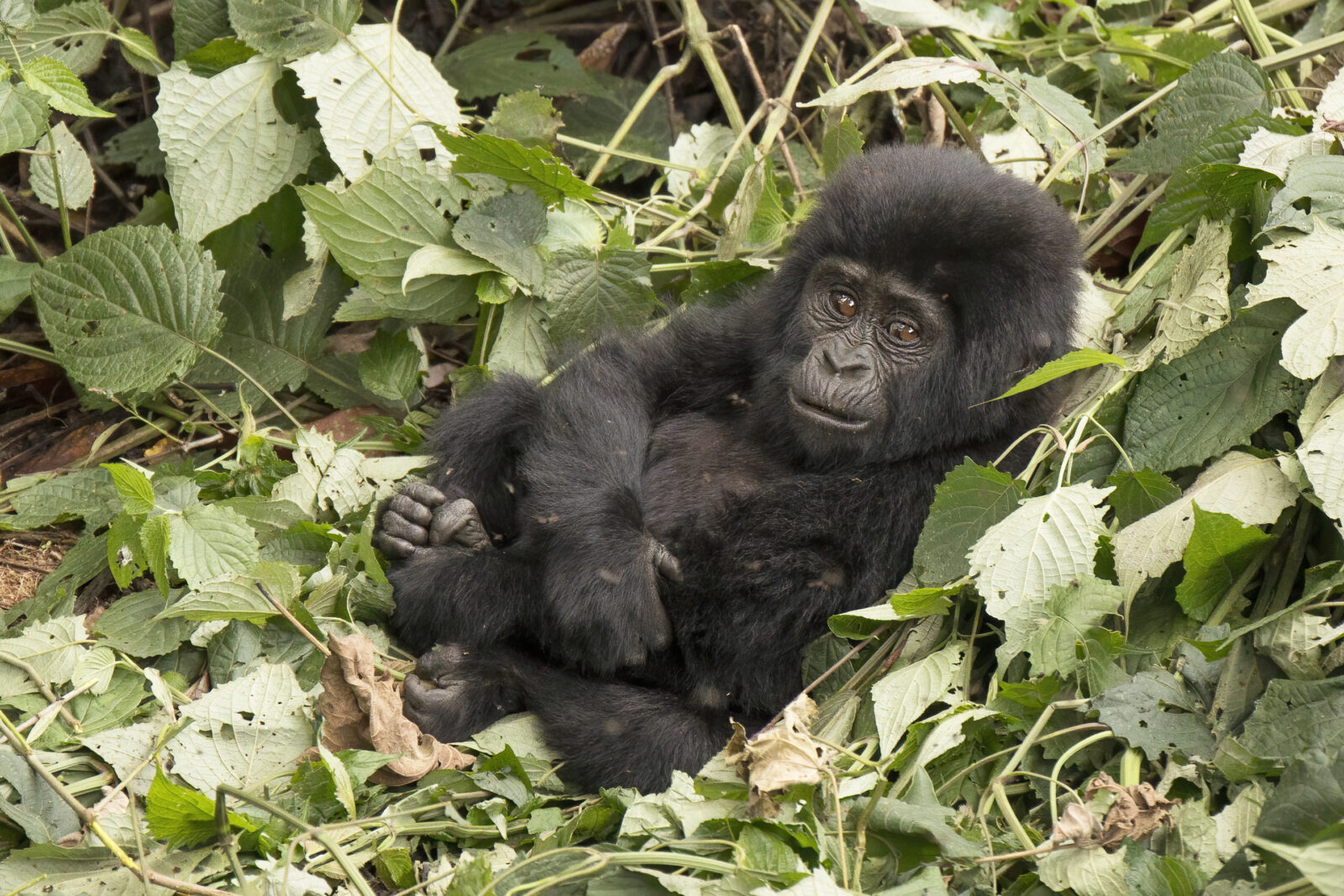
Uganda Wildlife Authority publishes and maintains meaningful historical data on gorilla trekking success rates, and trekkers researching this specific destination deserve a genuine, evidence-based answer rather than vague reassurance that “gorillas are almost always found.” What is the success rate of finding gorillas in Uganda deserves a specific answer grounded in the country’s actual tracking record.
This guide covers Uganda’s genuine gorilla-finding success rate, what factors actually influence it, and what this means practically for your trip planning.
Why This Statistic Deserves a Genuinely Evidence-Based Answer
Trekkers researching success rates deserve real data and context rather than marketing language, worth understanding both the actual figure and the genuine factors behind Uganda’s consistently strong tracking record before your trip.
The Short Answer: Consistently Above 95%, Often Cited Near 99%
Uganda’s gorilla trekking success rate is genuinely consistently high, commonly cited in the 95-99% range across Bwindi and Mgahinga combined, reflecting decades of accumulated tracking expertise and dedicated advance-tracker systems.
Why This Success Rate Is Genuinely So Consistently High
Uganda’s success rate reflects genuine investment in advance tracking systems, where dedicated trackers locate each family’s approximate position before trekking groups even begin hiking, worth understanding this systematic approach as the real driver behind the statistic rather than luck.
How Weather Genuinely Affects This Success Rate
Heavier rain can genuinely make tracking marginally more difficult by washing away signs like footprints and feeding traces more quickly, though Uganda’s success rate remains genuinely high even during wetter months given the underlying tracking system’s overall robustness.
Why Sector Choice Doesn’t Meaningfully Affect This Statistic
Whether you’re trekking Buhoma, Ruhija, Rushaga, or Nkuringo, success rates remain genuinely consistent across Bwindi’s sectors, worth understanding this as evidence the tracking system’s effectiveness doesn’t meaningfully vary by specific location within the park.
Why Ranger Experience Level Genuinely Correlates With Tracking Efficiency
More experienced rangers who’ve worked with a specific family for years genuinely develop an intuitive understanding of that group’s habits and preferences that meaningfully speeds up the locating process, worth appreciating this accumulated human expertise as a real, measurable contributor to the overall statistic.
How Mgahinga’s Smaller Family Count Affects Its Own Success Rate
Mgahinga’s single habituated family, the Nyakagezi group, still maintains a genuinely high success rate despite the family’s occasional cross-border movement toward neighboring Rwanda or Congo’s contiguous terrain, worth understanding this as a slightly different but still robust tracking scenario.
What Happens in the Rare Cases Where a Family Isn’t Located
In the genuinely rare event a family cannot be located within a reasonable timeframe, park policies typically offer some form of compensation or rebooking option, worth confirming the specific policy with your operator before your trip for genuine peace of mind.
Why This Statistic Shouldn’t Be Confused With Guaranteed Certainty
Even a genuinely high success rate means some small percentage of treks don’t successfully locate the family, worth understanding this statistical reality honestly rather than treating the high percentage as an absolute guarantee for your specific trek day.
How Uganda’s Success Rate Compares Within the Broader Region
Uganda’s success rate genuinely compares favorably with Rwanda and Congo’s own strong tracking records, worth understanding all three countries maintain consistently high success rates rather than one destination being meaningfully more reliable than another.
Why Trekker Fitness Doesn’t Genuinely Affect Success Rate
Your own fitness level affects your comfort and pace during tracking but doesn’t genuinely affect whether trackers ultimately locate the family, worth understanding this as a separate consideration from the tracking success statistic itself.
Why This Data Genuinely Matters More Than Anecdotal Trekker Reviews
While individual trekker reviews and stories offer genuine color and personal context, the actual aggregate statistical record maintained by park authorities provides a far more reliable basis for setting expectations than any single anecdote, worth prioritizing this broader evidence base when planning your own trip specifically.
What Rangers and Guides Say About This Consistently Strong Record
Guides consistently attribute Uganda’s high success rate to genuine tracker expertise and dedication rather than any single technological or procedural factor, worth appreciating this human skill behind the statistic when you eventually trek.
Why Habituated Family Territory Size Genuinely Affects Search Time
Each gorilla family maintains a genuinely defined home territory, and trackers’ deep familiarity with each family’s typical range meaningfully narrows the search area even before setting out, worth understanding this territorial knowledge as a key contributor to Uganda’s consistently strong tracking record.
How Seasonal Food Availability Genuinely Influences Gorilla Movement Patterns
Gorilla movement genuinely correlates with seasonal food availability within their territory, meaning trackers who understand these patterns can predict likely locations with real accuracy, worth appreciating this ecological knowledge as another layer behind the high success statistic.
Why Multiple Trackers Per Family Genuinely Improve Reliability
Uganda’s system typically deploys multiple trackers per family rather than relying on a single individual, genuinely building redundancy into the search process that improves overall reliability compared to a less resourced, single-tracker approach.
What Historical Data Genuinely Reveals About Long-Term Trends
Uganda’s success rate has genuinely remained stable or improved over recent years as tracking systems and ranger training have continued developing, worth understanding this as an evolving, generally improving statistic rather than a static figure unaffected by ongoing investment.
Why First-Time Trekkers Sometimes Overestimate the Risk of Not Finding Gorillas
Given how commonly trekkers hear anecdotal stories about difficult searches, first-timers sometimes genuinely overestimate the actual risk of an unsuccessful trek, worth grounding your expectations in the real statistical record rather than isolated stories that don’t reflect the genuine overall pattern.
How This Statistic Factors Into Uganda’s Broader Tourism Reputation
Uganda’s consistently strong success rate genuinely contributes to its broader reputation as a reliable, well-managed gorilla trekking destination, worth considering this track record alongside other factors when planning your specific trip and destination choice.
Final Thoughts on Uganda’s Gorilla-Finding Success Rate
Uganda’s consistently strong, genuinely evidence-based success rate reflects decades of accumulated tracking expertise and systematic advance-tracking investment – worth approaching your trek with realistic confidence based on this genuine record rather than either complacency or unnecessary worry about a scenario that genuinely rarely occurs.
Why Booking Well in Advance Doesn’t Improve Your Personal Success Odds
Some trekkers mistakenly assume booking further in advance somehow improves their specific chances of a successful sighting, when in reality the success rate reflects the tracking system’s overall effectiveness on any given day, worth understanding advance booking as valuable for permit availability rather than a factor influencing the tracking outcome itself.
Frequently Asked Questions
What is Uganda’s actual gorilla trekking success rate?
Consistently high, commonly cited in the 95-99% range across Bwindi and Mgahinga combined, reflecting decades of genuinely accumulated tracking expertise.
Does sector choice within Bwindi affect success rate?
No – success rates remain genuinely consistent across Buhoma, Ruhija, Rushaga, and Nkuringo, not meaningfully varying by specific sector.
Does weather genuinely affect this success rate?
Somewhat – heavier rain can make tracking marginally more difficult, though the success rate remains genuinely high even in wetter conditions.
What happens if a family isn’t located on my specific trek day?
In this genuinely rare event, park policies typically offer some compensation or rebooking option, worth confirming with your operator beforehand.
Does Mgahinga’s single family affect its success rate?
The Nyakagezi group still maintains a genuinely high success rate despite occasional cross-border movement toward neighboring countries.
Does my own fitness level affect whether gorillas are found?
No – fitness affects your comfort and pace, but tracker work happens largely independently and doesn’t depend on trekker fitness.
Does Uganda’s success rate compare well to Rwanda and Congo’s?
Yes, genuinely favorably – all three countries maintain consistently high success rates rather than one being meaningfully more reliable.
Is a high success rate the same as a guaranteed sighting?
No – even a high percentage means some small share of treks don’t successfully locate the family, worth understanding this honestly.
What genuinely drives Uganda’s consistently strong record?
Real investment in advance tracking systems and genuine tracker expertise, rather than any single technological factor or simple luck.
Should I worry about not finding gorillas on my trek?
Not particularly – the genuinely high, well-established success rate supports realistic confidence rather than unnecessary pre-trip anxiety.
Does deploying multiple trackers per family genuinely improve reliability?
Yes – Uganda’s system typically uses several trackers rather than one, building genuine redundancy into the overall search process.
Has Uganda’s success rate improved over recent years?
Generally, yes – it has remained stable or improved as tracking systems and ranger training have continued developing over time.
Do first-timers tend to overestimate the risk of an unsuccessful trek?
Often, yes – anecdotal stories can skew perception, so grounding expectations in the real statistical record matters more than isolated accounts.
Does booking further in advance improve my personal odds of success?
No – the success rate reflects the tracking system’s overall effectiveness, not something advance booking timing itself genuinely influences.
Plan the Rest of Your Trip
For the full cost picture, this full cost breakdown is worth reading, alongside this guide on weather and success rates. For further planning, this guide on the tracking process is a useful next read, and this step-by-step Uganda permit booking guide covers the reservation process.