
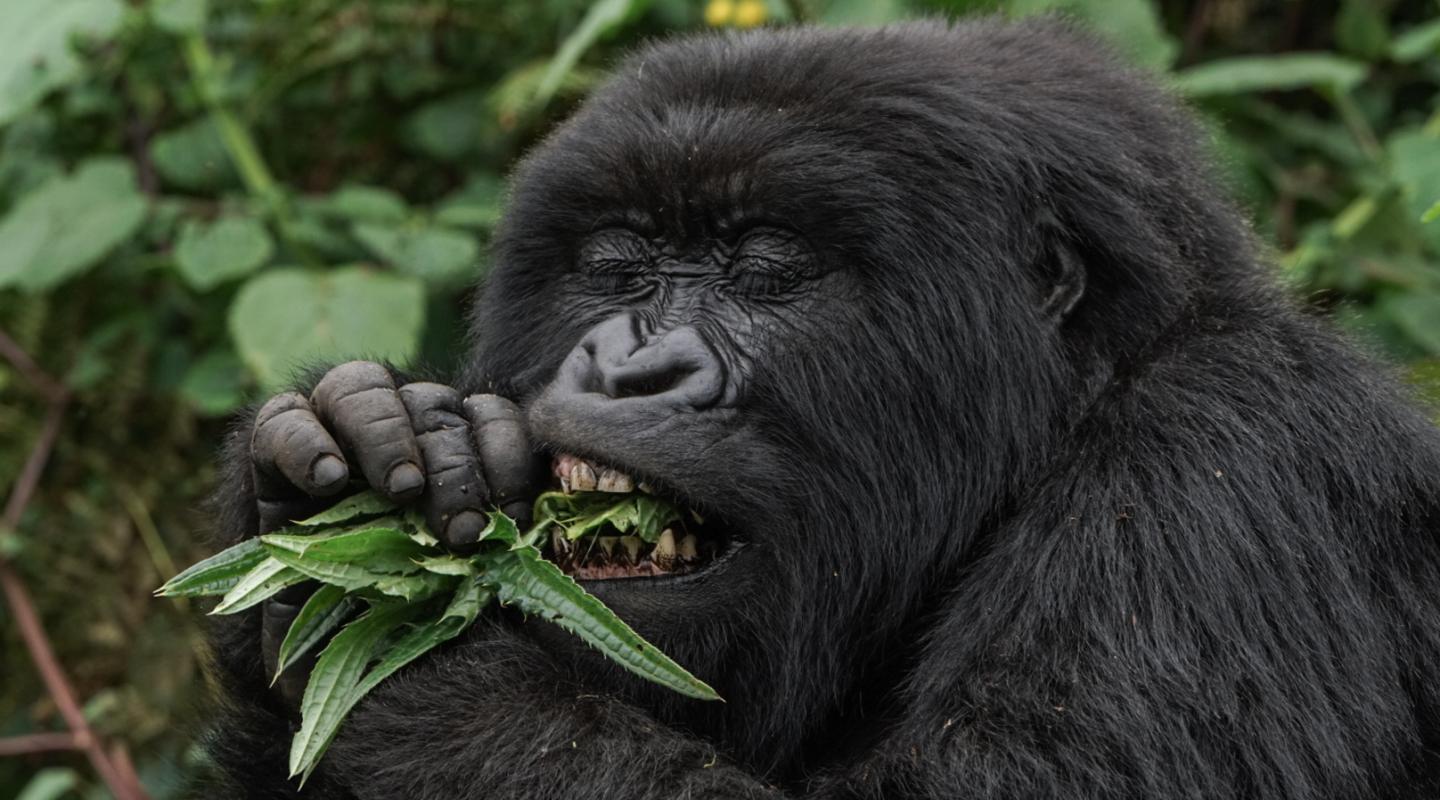
Gorilla Safari Gorilla Lifespan: How Long Do They Live in the Wild?
One of the most common questions travelers ask during gorilla trekking is how long gorillas actually live in the wild. After spending time observing a silverback resting calmly beside his family or watching infants play through the forest, many visitors begin thinking about the life cycle of these remarkable primates and how long their family groups remain together.
Wild gorillas can live surprisingly long lives, especially considering the challenges they face in forest ecosystems. However, lifespan varies depending on species, habitat conditions, disease exposure, injuries, and conservation protection.
Understanding gorilla lifespan also helps explain their slow population growth, complex social structures, and why conservation efforts are so important for their long-term survival.
Average lifespan of wild gorillas
In the wild, gorillas generally live between 35 and 40 years, although some individuals may survive longer under favorable conditions.
Mountain gorillas, especially those living in protected national parks with veterinary monitoring and anti-poaching support, sometimes reach their 40s.
Eastern lowland gorillas and western lowland gorillas may have slightly different lifespan patterns depending on habitat pressure, disease exposure, and environmental threats.
Compared to many mammals, gorillas develop slowly, mature gradually, and invest heavily in long-term family structure and parenting.
Lifespan differences between males and females
Female gorillas often live slightly longer than males.
One reason is that adult males, especially dominant silverbacks, experience greater physical stress and injury risk throughout life. Silverbacks defend groups, confront rivals, and carry the responsibility of leading and protecting the family.
These pressures can lead to injuries, exhaustion, or health decline over time.
Females generally avoid direct conflict and may survive longer if protected within stable groups.
However, survival depends heavily on habitat security and disease prevention for both sexes.
How gorillas age through life stages
Gorilla life is divided into several major stages, each with distinct behavior and social roles.
Infancy
Infants remain highly dependent on their mothers for the first several years. They nurse, cling to the mother’s body, and learn social behavior through observation and play.
Infant survival is critical because gorillas reproduce slowly. Mothers may only give birth every several years, meaning each infant represents major investment for the family group.
Juvenile stage
Young gorillas become increasingly independent during juvenile years. They play actively with siblings and peers, climb vegetation, and explore social interactions.
This stage is important for developing coordination, communication skills, and understanding group hierarchy.
Adolescence
Young males eventually become blackbacks before maturing into silverbacks. During this stage, they develop physical strength and begin navigating more complex dominance relationships.
Females reach maturity earlier and may eventually transfer to new family groups.
Adulthood
Adult gorillas become fully integrated into social and reproductive life.
Dominant silverbacks lead family groups, while adult females focus heavily on parenting and maintaining group cohesion.
This stage may last many years if the gorilla remains healthy and protected.
Old age
Older gorillas show visible signs of aging including slower movement, worn teeth, thinner body condition, and reduced physical dominance.
Elderly silverbacks may eventually lose leadership positions to younger males, especially if strength declines significantly.
Despite aging, older gorillas still retain important social experience and knowledge within the group.
What limits gorilla lifespan in the wild
Wild gorillas face many survival challenges that influence lifespan.
Disease
Disease is one of the greatest threats to gorilla survival. Respiratory infections are especially dangerous because gorillas are genetically very close to humans and vulnerable to many human illnesses.
Even common infections such as flu or pneumonia can spread rapidly through a gorilla family.
This is why strict health rules exist during trekking.
Injury and conflict
Silverbacks may suffer injuries during fights with rival males or from defensive encounters protecting the group.
Although fatal combat is uncommon, repeated injuries can weaken long-term health and shorten lifespan.
Young gorillas may also suffer accidents during climbing or movement through difficult terrain.
Habitat loss
Deforestation, agriculture, mining activity, and human expansion reduce gorilla habitat in parts of Africa.
Habitat fragmentation increases stress, limits food availability, and raises conflict risk between humans and gorillas.
Poaching and snares
Although gorillas are not always the primary target, wire snares set for other animals can seriously injure gorillas.
Injuries to hands, feet, or limbs can affect movement and feeding ability for life.
Stress and environmental pressure
Environmental instability, food competition, and repeated disturbance can also influence long-term survival.
Stable protected habitats generally support longer gorilla lifespans.
How conservation has improved gorilla survival
Modern conservation efforts have significantly improved survival prospects for mountain gorillas.
Protected areas such as:
Bwindi Impenetrable National Park
Volcanoes National Park
Virunga National Park
now benefit from ranger patrols, veterinary intervention, anti-poaching operations, and regulated tourism systems.
Organizations such as Gorilla Doctors monitor habituated gorilla groups and sometimes provide emergency medical treatment for injuries or disease outbreaks.
As a result, mountain gorilla populations have slowly increased after decades of decline.
How gorilla lifespan compares to captivity
Gorillas in captivity sometimes live longer than wild gorillas because they receive regular veterinary care, stable nutrition, and protection from environmental threats.
Some captive gorillas have reached ages beyond 50 years.
However, captivity changes social dynamics, movement patterns, and psychological conditions compared to life in natural forest ecosystems.
Many conservationists argue that lifespan alone does not fully reflect quality of life, especially for highly intelligent and socially complex animals like gorillas.
The importance of older silverbacks
Older silverbacks play a major role in gorilla society.
Experienced silverbacks understand feeding territories, migration routes, and conflict management. They provide stability for females and protection for infants.
Even aging males often maintain strong authority within the family because social experience matters alongside physical strength.
When an old silverback dies or loses control of the group, family structure may change dramatically. Females sometimes transfer to new groups, and juveniles may become vulnerable during the transition period.
This shows how lifespan affects not only individuals but entire gorilla social systems.
Why slow lifespan and reproduction matter for conservation
Gorillas reproduce slowly compared to many mammals.
Females usually give birth to one infant at a time and may wait several years before having another baby. Combined with long lifespans and slow maturation, this means population growth happens gradually.
Because of this, even small losses from poaching, disease, or habitat destruction can have major long-term effects.
Protecting adult females, infants, and stable family groups is critical because replacing lost individuals takes many years.
What tourists notice about gorilla aging
During gorilla trekking, guides often help visitors recognize age differences within the family group.
Young juveniles appear energetic and playful.
Adult females are attentive and socially active.
Silverbacks show massive body size and leadership behavior.
Older gorillas may move more slowly, rest longer, or display worn facial features and thinning hair.
Observing these age differences gives visitors insight into the full life cycle of gorilla society.
Thoughts
Wild gorillas can live surprisingly long lives, often reaching 35 to 40 years under protected conditions. Their long lifespan reflects their intelligence, complex social systems, and slow life history strategy.
However, survival in the wild depends heavily on habitat protection, disease prevention, anti-poaching efforts, and stable family structures.
Every elderly silverback, experienced mother, and surviving infant represents years of successful conservation work. Understanding gorilla lifespan helps travelers appreciate not only the beauty of gorilla trekking but also the fragility and resilience of one of the world’s most extraordinary primates