
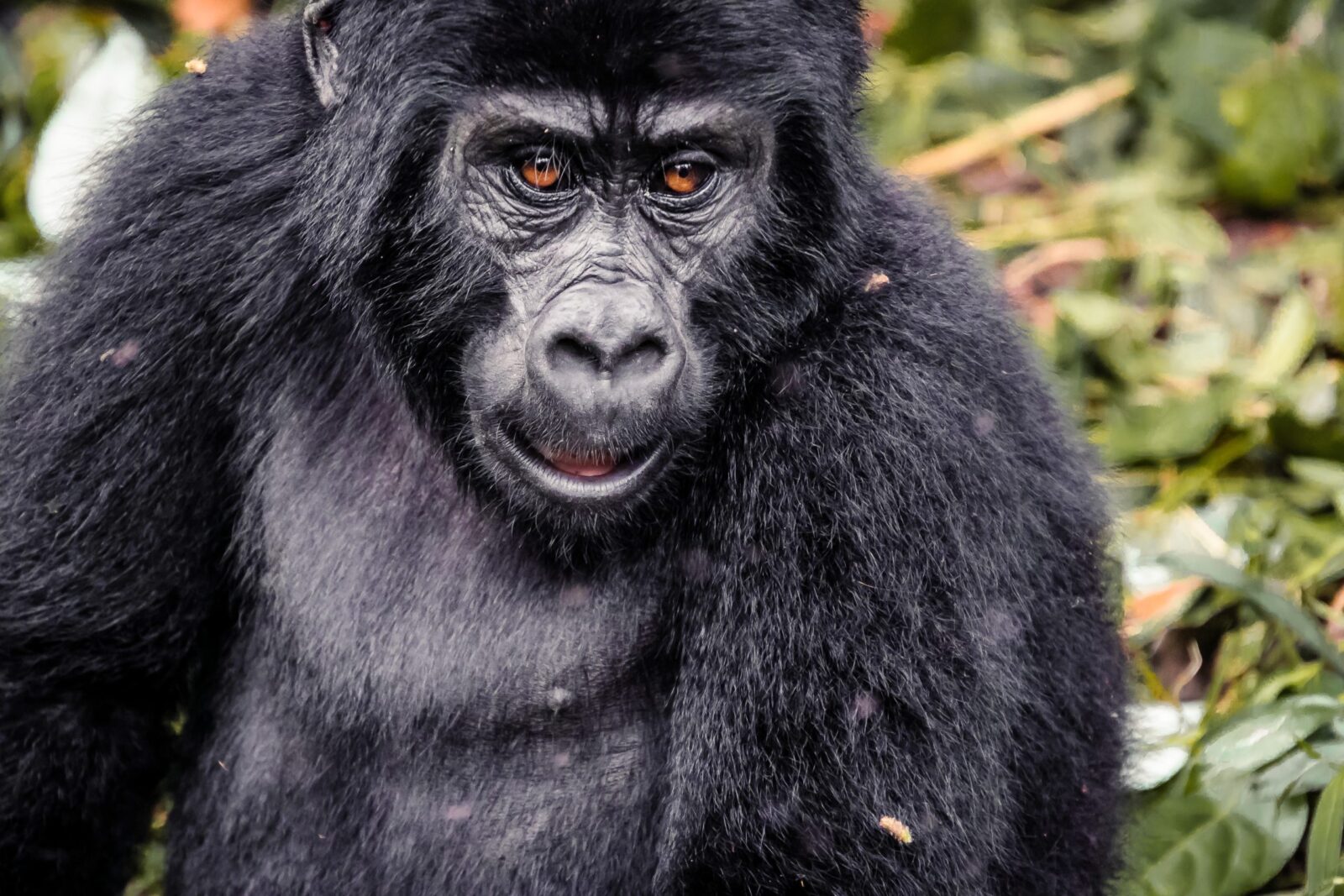
Susa Gorilla Family Rwanda: Volcanoes’ Largest and Most Famous
High on the volcanic slopes of the Virunga range, within one of Africa’s most iconic protected landscapes, the Susa gorilla family holds a legendary status. Found in Volcanoes National Park, this group is widely recognized as one of the largest and most historically significant mountain gorilla families ever studied and tracked in the region.
For many visitors to Rwanda, Susa is not just a trekking option. It is a reference point in gorilla conservation history, closely linked to early research and global awareness of mountain gorillas.
The Historical Importance of the Susa Family
The Susa family gained international recognition through early gorilla research efforts led by primatologist Dian Fossey in the Virunga ecosystem. It was one of the most important groups she studied, contributing significantly to global understanding of mountain gorilla behavior, social structure, and conservation needs.
Because of this history, Susa is often seen as a “foundational” gorilla group in the development of modern gorilla tourism and protection strategies in Rwanda.
Over time, the original Susa group became so large that it eventually split into smaller sub-groups, a natural process in gorilla social dynamics. One of the most well-known descendants is often referred to as Susa A, which is the group most commonly associated with trekking today.
Why Susa Is Known as the Largest Family
The original Susa group became famous for its extraordinary size. At its peak, it was recorded as one of the largest gorilla families ever observed, with numbers significantly higher than most other habituated groups.
Large gorilla families typically form when:
Reproduction rates are high
Leadership is stable
Environmental conditions support group cohesion
Females remain within the group over time
In Susa’s case, these factors combined to create a remarkably large and complex social unit.
Even after splitting, the legacy of its size remains a defining characteristic.
Location and Environment
Susa is located within Volcanoes National Park, part of the broader Virunga volcanic mountain chain that extends across Rwanda, Uganda, and the Democratic Republic of Congo.
This environment is characterized by:
High-altitude rainforest
Volcanic soils and rugged terrain
Cool temperatures with frequent mist
Dense bamboo and Hagenia forests
The terrain is both beautiful and physically demanding, with steep slopes and variable weather conditions shaping the trekking experience.
Trekking Experience to Susa
Trekking the Susa family is often considered one of the more challenging gorilla hikes in Volcanoes National Park.
Expect:
Long trekking distances
Steep ascents and descents
Uneven volcanic terrain
Rapidly changing weather conditions
The group’s historical association with higher elevation zones means that reaching them can require significant effort compared to other families in the park.
However, the reward is a deeply immersive and historically rich encounter.
Group Structure and Dynamics
Today’s Susa group is typically smaller than its original form, but it still retains a strong and well-organized social structure.
It generally includes:
A dominant silverback
Multiple adult females
Juveniles and infants
The group remains stable, with clear hierarchy and coordinated movement patterns.
Despite its reduced size compared to historical records, Susa still reflects the complexity of large gorilla family systems.
Behavior and What Visitors Observe
A visit to the Susa family provides a mix of calm observation and subtle social interaction.
You may observe:
The silverback maintaining group cohesion
Females feeding and grooming in clusters
Juveniles engaging in playful behavior
Coordinated movement across forest terrain
Because of the group’s historical size and complexity, there is often a sense of structured movement even in smaller modern subgroups.
Photography Conditions
Photography in Susa is shaped heavily by environment.
Advantages include:
Dramatic volcanic landscapes
Mist and atmospheric forest lighting
Opportunities for wide environmental shots
Challenges include:
Steep terrain limiting positioning
Dense vegetation in some areas
Variable lighting conditions
Photographers who adapt to natural light and movement will find strong storytelling opportunities.
Conservation Significance
The Susa family is deeply tied to the conservation history of mountain gorillas in the Virunga region.
Its early study contributed to:
Global awareness of gorilla endangerment
Development of gorilla tourism models
Strengthening of conservation policies in Rwanda
Today, tourism revenue from visits supports:
Park protection and management
Community development around Volcanoes National Park
Ongoing conservation research
Susa remains symbolically important in this broader system.
Comparing Susa with Other Volcanoes Families
Volcanoes National Park is home to multiple habituated gorilla families, each offering different experiences.
Some groups are known for:
Shorter treks
Smaller group sizes
Easier accessibility
Susa stands out for:
Its historical legacy
Challenging trekking routes
Reputation as one of the largest original families
This makes it particularly appealing to visitors seeking both physical challenge and historical depth.
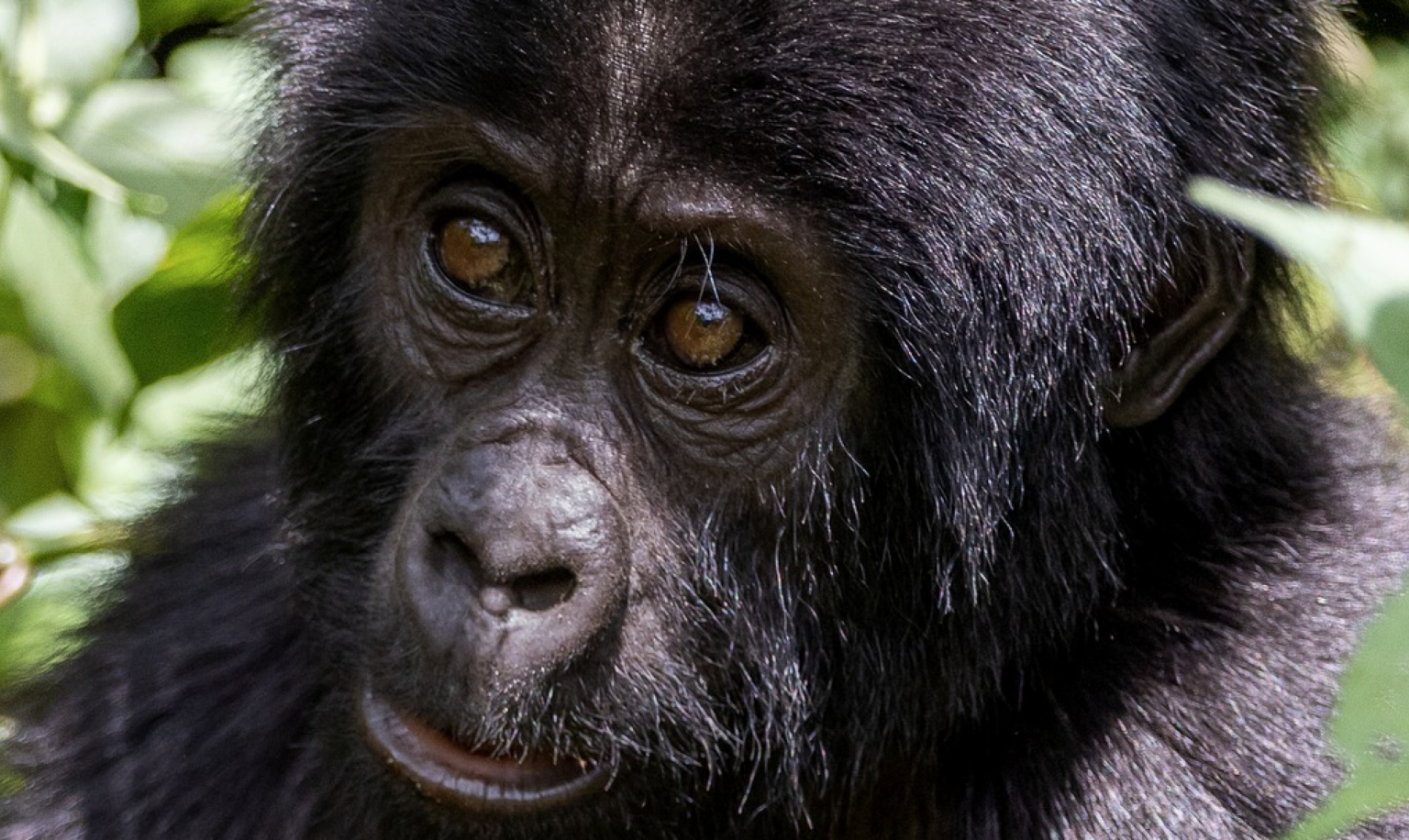
Who Should Choose the Susa Family
The Susa family is best suited for:
Experienced trekkers or physically fit visitors
Travelers interested in gorilla conservation history
Those seeking a challenging and rewarding hike
Visitors who want to experience a legendary gorilla group
It may be less suitable for those seeking short or easy treks.
Rules and Responsible Trekking
As with all gorilla trekking experiences in Rwanda, strict regulations apply.
Visitors must:
Maintain a minimum distance of 7 meters
Limit viewing time to one hour
Follow ranger instructions at all times
Avoid trekking if unwell
Keep noise levels low
These rules are essential for protecting gorillas and maintaining safe, sustainable tourism.
The Experience in Perspective
Encountering the Susa family feels like stepping into a living chapter of conservation history.
The combination of challenging terrain, high-altitude forest, and the group’s legendary background creates a sense of significance that goes beyond the encounter itself.
It is not just about seeing gorillas-it is about connecting with the roots of gorilla conservation in East Africa.
The Susa Gorilla Family in Volcanoes National Park remains one of the most iconic and historically important gorilla groups in the world.
Defined by its legacy as one of the largest families ever recorded, shaped by volcanic landscapes, and central to early conservation efforts, it offers a trekking experience that combines physical challenge with deep historical meaning.
For visitors to Rwanda, Susa is more than a gorilla family.
It is a symbol of how far gorilla conservation has come-and why it still matters today.