
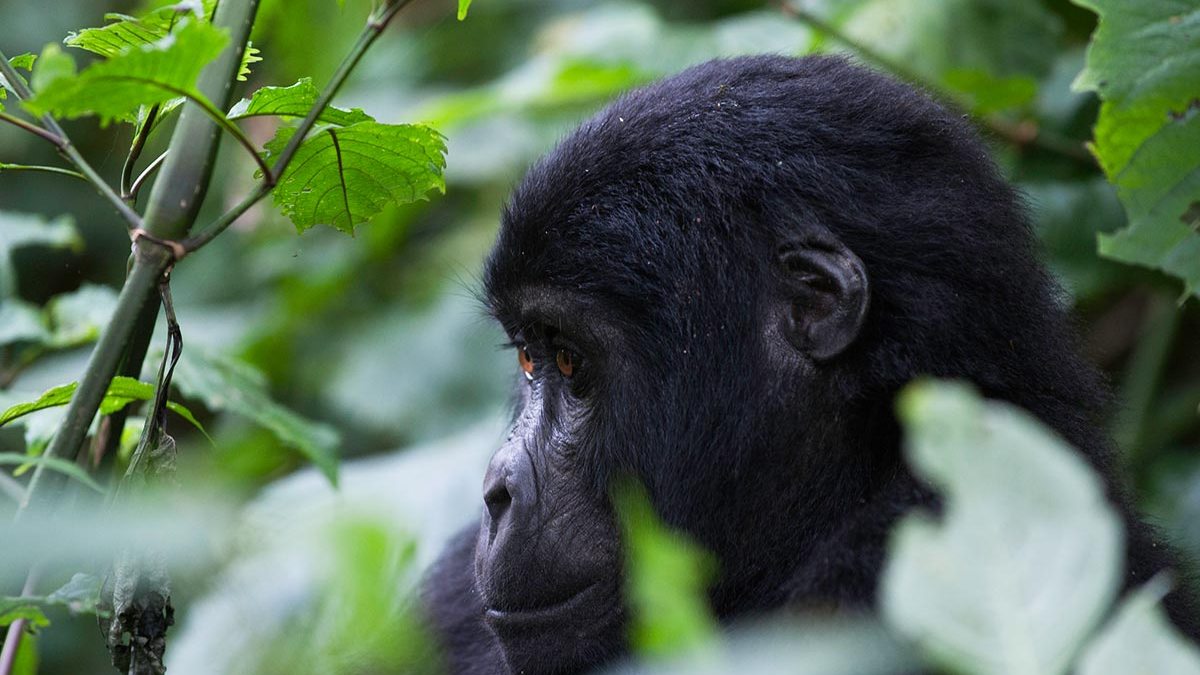
Gorilla Safari Disease Prevention: Why Health Rules Protect Gorillas
Gorilla trekking is one of the most carefully regulated wildlife experiences in the world, and much of that regulation exists for one critical reason: protecting gorillas from human disease.
Many travelers focus on trekking permits, photography opportunities, and seeing silverbacks in the forest, but behind every gorilla safari is a strict health protection system designed to prevent disease transmission between humans and gorillas.
This is necessary because gorillas are genetically extremely close to humans. In fact, mountain gorillas share roughly 98 percent of human DNA, which means they are vulnerable to many of the same illnesses that affect people. A simple human respiratory infection that feels mild to a tourist can become deadly for a gorilla family living deep in the forest.
Understanding why these rules exist helps travelers appreciate that gorilla trekking is not only tourism but also a conservation responsibility.
Why gorillas are highly vulnerable to human diseases
The greatest health threat to wild gorillas today is not predators but disease transmission from humans.
Because gorillas are so closely related to people biologically, viruses and bacteria can pass relatively easily between species. Respiratory infections are especially dangerous because gorillas live in tight family groups where close contact spreads illness quickly.
Diseases such as influenza, pneumonia, measles, and even common colds can severely impact gorilla populations.
Unlike humans, gorillas do not have access to modern healthcare systems, widespread immunity, or rapid medical treatment. Even a small outbreak inside one habituated group can become a serious conservation emergency.
This vulnerability became even more globally recognized during the COVID-19 pandemic, when gorilla tourism regulations tightened significantly across East and Central Africa.
Why gorilla tourism requires strict rules
Gorilla tourism is carefully controlled because habituated gorillas regularly interact with humans at relatively close range.
Without strict rules, repeated daily exposure to tourists could increase disease transmission risk dramatically. For this reason, gorilla trekking permits are limited, group sizes are controlled, and visitor behavior is heavily monitored by guides and park authorities.
The goal is to balance tourism revenue with long-term gorilla survival.
Tourism is actually essential for conservation because permit fees fund ranger patrols, veterinary interventions, habitat protection, and local community support. However, the same tourism that funds conservation can also create health risks if poorly managed.
The 7-meter distance rule
One of the most important health regulations during gorilla trekking is the minimum distance rule.
Visitors are instructed to remain at least seven meters away from gorillas whenever possible. This distance helps reduce the spread of airborne respiratory droplets that may carry viruses or bacteria.
In practice, gorillas sometimes move closer on their own, especially curious juveniles or infants. When this happens, guides usually instruct visitors to stay calm, avoid sudden movement, and never attempt physical contact.
The seven-meter rule may feel conservative, but it exists because respiratory transmission is considered the single biggest health threat to habituated gorillas.
Why sick tourists are not allowed to trek
Travelers who are visibly ill are usually not permitted to participate in gorilla trekking.
Symptoms such as coughing, sneezing, fever, sore throat, or flu-like illness are taken seriously because even mild infections can threaten gorilla health.
In some parks, visitors may be screened informally before trekking begins. Guides and rangers are trained to identify obvious illness symptoms and may deny participation if necessary.
This policy protects not only the gorillas but also the long-term sustainability of tourism itself.
For travelers, losing a permit because of illness can be disappointing, but from a conservation perspective the rule is essential.
Mask requirements during gorilla trekking
Following global disease concerns, face masks became an important additional protection measure during gorilla trekking in several countries.
In many gorilla parks, masks are now encouraged or required when close to gorilla groups, especially during observation periods.
Masks reduce respiratory droplet spread and add another layer of protection beyond physical distancing.
Although policies may vary slightly between countries and parks over time, the overall direction of gorilla tourism has become increasingly health-focused.
Hand hygiene and sanitation
Hand hygiene is another important component of gorilla disease prevention.
Visitors are often encouraged to sanitize hands before entering the forest and after trekking activities. Some lodges and briefing centers provide handwashing stations or sanitizer before departure.
Direct contact with vegetation near gorillas is also minimized when possible to reduce contamination risk.
These precautions may seem small individually, but together they create a broader biosecurity system protecting vulnerable primate populations.
Veterinary monitoring and gorilla healthcare
One unique aspect of gorilla conservation is the involvement of specialized wildlife veterinary teams.
Organizations such as the Gorilla Doctors monitor habituated gorilla populations across Uganda, Rwanda, and the Democratic Republic of Congo. These teams intervene when gorillas show signs of serious illness, injury, or respiratory outbreaks.
Veterinarians sometimes perform emergency treatment on wild gorillas, including administering antibiotics, removing snares, or treating wounds.
This level of active medical conservation is rare in wildlife management and reflects how vulnerable and valuable gorilla populations are.
How habituation increases disease risk
Habituation is the process through which wild gorillas become accustomed to human presence over time. This allows safe tourism and research interaction.
However, habituation also creates increased disease exposure because gorillas become more tolerant of nearby humans.
The closer and more frequent the interaction, the greater the potential for disease transmission. This is why strict tourism rules become even more important for habituated groups compared to completely wild gorillas with no human contact.
Responsible traveler behavior during gorilla trekking
Visitors play a direct role in gorilla conservation through their behavior.
Responsible practices include:
Avoiding trekking if sick
Following guide instructions carefully
Maintaining distance whenever possible
Wearing masks if required
Avoiding coughing or sneezing toward gorillas
Not touching gorillas or surrounding vegetation unnecessarily
Keeping voices low and movements calm
These actions help reduce stress and health risk for the gorilla family.
Why these rules matter for conservation
Mountain gorillas were once critically endangered, with populations dropping to dangerously low numbers in the twentieth century.
Today, their slow population recovery is considered one of Africa’s major conservation achievements. Disease prevention is now one of the most important parts of maintaining that recovery.
Unlike larger wildlife populations that can absorb losses more easily, gorillas reproduce slowly. Females may only give birth every several years, meaning even small disease outbreaks can affect long-term population growth.
Every healthy gorilla matters to the survival of the species.
The balance between tourism and protection
Gorilla tourism creates a conservation paradox. Human visitors generate the funding needed to protect gorillas, but humans also represent one of the greatest health threats to them.
The strict rules surrounding gorilla trekking exist to manage this balance carefully.
When travelers follow these guidelines, tourism becomes a protective force rather than a danger. Permit fees fund conservation while controlled interaction minimizes biological risk.
This balance is the reason gorilla trekking remains sustainable today.
Thoughts
Disease prevention is one of the most important yet least understood aspects of gorilla safaris. The health rules surrounding trekking are not arbitrary restrictions-they are essential conservation tools designed to protect one of the world’s most vulnerable primate populations.
Because gorillas are so closely related to humans, even common illnesses can threaten entire family groups. Distance rules, mask policies, health screenings, and sanitation measures all exist to reduce that risk.
For travelers, respecting these rules is part of the responsibility that comes with entering a gorilla habitat. Gorilla trekking is not only about observing wildlife; it is about participating in a conservation system that protects these extraordinary animals for future generations.