
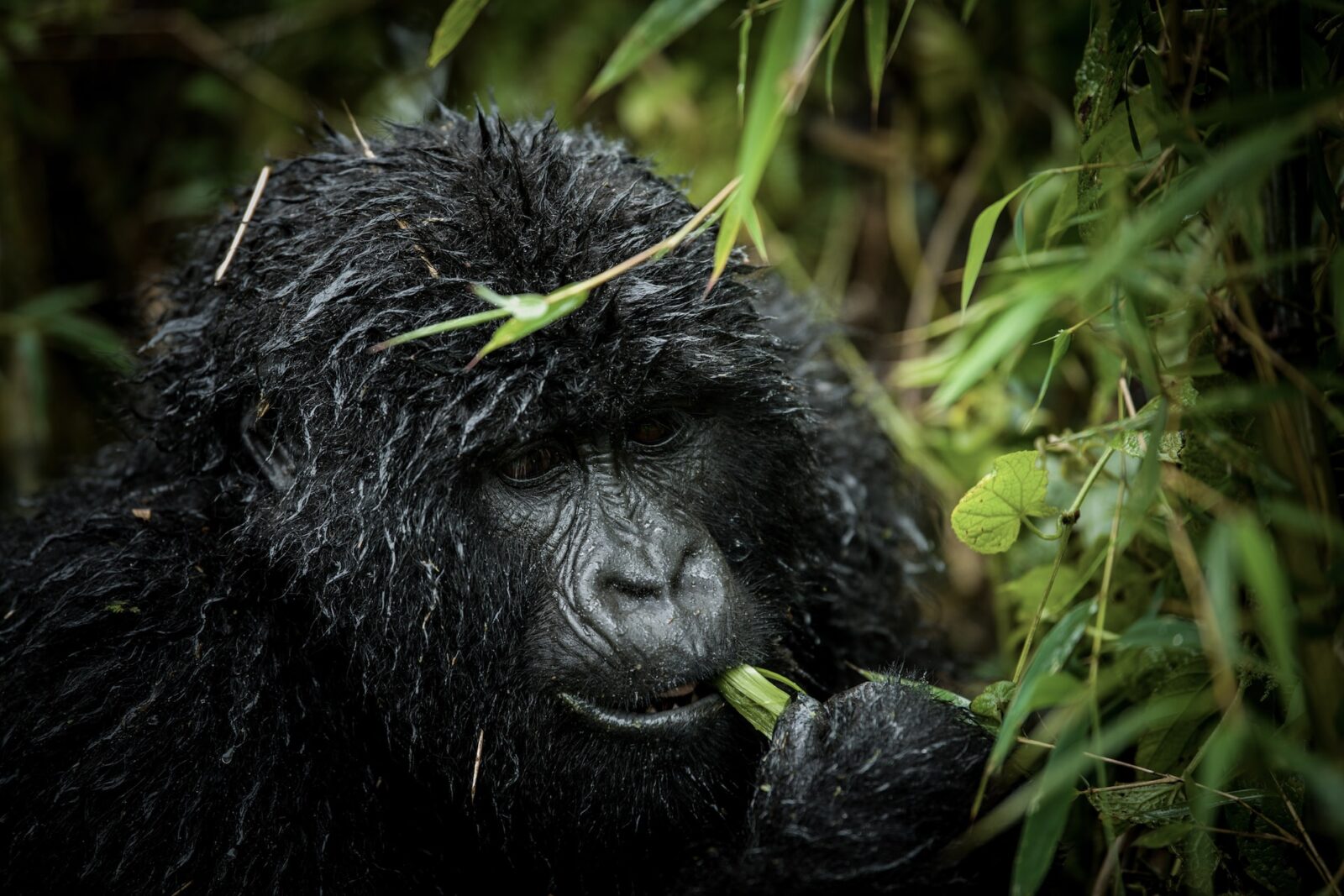
Gorilla Safari Habituation Process: How Families Are Prepared
One of the most remarkable aspects of gorilla tourism is that wild gorillas allow humans to observe them at close range without fear or aggression. This does not happen naturally. Before tourists can safely visit a gorilla family, the group must go through a long and carefully managed process called habituation.
Gorilla habituation is the gradual process of helping wild gorillas become comfortable with the presence of humans. It is one of the most important foundations of gorilla tourism in East and Central Africa because it creates the possibility for research, conservation, and controlled tourism while minimizing stress on the animals.
For travelers, understanding habituation changes the way a gorilla trek is experienced. Visitors are not simply encountering tame animals. They are meeting wild gorillas that have slowly learned to tolerate human observers through years of careful interaction.
What gorilla habituation actually means
Habituation does not mean domestication or taming. Gorillas remain completely wild throughout the process.
The goal is not to train gorillas or control their behavior. Instead, habituation teaches the gorillas that humans are not a threat. Over time, the gorilla family becomes less fearful and less reactive when researchers, trackers, or tourists are nearby.
This allows close observation without causing panic, defensive aggression, or repeated disturbance to the group.
Even fully habituated gorillas still maintain natural social structures, movement patterns, feeding behavior, and territorial instincts.
Why habituation is necessary
Without habituation, gorilla tourism would be impossible and dangerous for both humans and gorillas.
Wild gorillas that have never encountered humans closely may react defensively by fleeing, charging, or becoming stressed. Sudden or repeated disturbance could also negatively affect feeding patterns, infant care, and group stability.
Habituation creates predictability and reduces fear on both sides.
It also allows scientists and conservation teams to monitor gorilla health, births, injuries, population growth, and social dynamics more effectively.
Most importantly, habituation supports tourism revenue, which funds conservation efforts protecting gorilla habitats from poaching, deforestation, and human encroachment.
Where habituation takes place
Habituation programs are most famous in:
Bwindi Impenetrable National Park
Volcanoes National Park
Virunga National Park
Uganda is especially known for offering special gorilla habituation experiences where tourists spend extended time with semi-habituated gorilla families under ranger supervision.
How researchers first identify a gorilla family
The process begins with trackers locating a wild gorilla group that has had little or no regular human interaction.
Researchers study the family from a distance to understand its structure, movement patterns, feeding areas, and dominant silverback behavior.
Some groups are considered unsuitable for habituation due to instability, aggression, or difficult terrain. Others may be selected because their range overlaps with potential tourism zones.
Initial contact is always cautious and limited.
The early stages of habituation
In the beginning, trackers and researchers maintain significant distance from the gorillas.
At this stage, the gorillas often react strongly to human presence. They may vocalize loudly, flee into dense vegetation, display defensive behavior, or charge to intimidate observers.
The silverback plays a critical role during this phase because he determines how the group responds to perceived threats.
Researchers return repeatedly over months and years, allowing the gorillas to gradually recognize human presence as non-threatening.
Consistency is essential. The same trackers often work with the same group repeatedly so the gorillas become familiar with their scent, voices, and behavior.
The role of the silverback during habituation
The dominant silverback is the key figure in the habituation process.
If the silverback accepts human observers, the rest of the group is more likely to remain calm. If he feels threatened, the entire group becomes tense and defensive.
Researchers carefully observe the silverback’s body language during each interaction. Signs of acceptance may include continued feeding, resting, or grooming despite nearby humans.
Signs of stress or aggression may include chest-beating, vocalizations, mock charges, or protective positioning around females and infants.
Habituation moves at the pace determined by the gorillas themselves, especially the silverback.
How long habituation takes
Gorilla habituation is extremely slow and can take several years.
In many cases, a gorilla family may require two to five years before becoming comfortable enough for tourist visits.
Some groups adapt more quickly, while others remain nervous around humans for long periods.
The process cannot be rushed because forcing interaction increases stress and undermines the entire goal of low-impact tourism.
Patience is one of the defining principles of successful habituation.
Daily interaction during habituation
As habituation progresses, researchers gradually reduce the distance between themselves and the gorilla family.
They spend limited periods near the gorillas each day, quietly observing while avoiding direct confrontation or threatening behavior.
Trackers often mimic relaxed gorilla behavior by sitting calmly, avoiding sudden movement, and speaking softly.
Over time, the gorillas begin treating human observers as a neutral part of the environment rather than immediate threats.
Young gorillas and juveniles are often the first to show curiosity, while adult females usually follow the silverback’s emotional cues.
The difference between fully habituated and semi-habituated gorillas
Fully habituated gorilla families are comfortable enough for regular tourist visits. These are the groups typically used for standard gorilla trekking permits.
Semi-habituated groups are still undergoing the process and may react more cautiously or unpredictably around humans.
In Uganda, special habituation experiences allow visitors to spend extended time with these semi-habituated groups under strict supervision. These experiences feel more raw and less predictable than standard trekking.
Visitors may observe more defensive behavior, increased movement, or stronger reactions from the silverback compared to fully habituated families.
Why habituation improves conservation
Habituation transformed gorilla conservation across East Africa.
Before tourism became established, gorillas faced severe threats from poaching, habitat destruction, and political instability. Habituated gorilla families created a sustainable tourism model where living gorillas became economically valuable to conservation systems and local communities.
Tourism revenue now funds ranger salaries, veterinary programs, anti-poaching patrols, community projects, and forest protection.
Habituation also enables direct health monitoring. Researchers can identify injuries, disease outbreaks, and population changes more effectively in habituated groups.
Without habituation, modern gorilla conservation would be far more difficult.
Risks associated with habituation
Despite its benefits, habituation also creates risks.
The more comfortable gorillas become around humans, the greater the possibility of disease transmission. This is why strict health rules exist during trekking.
Habituated gorillas may also become more vulnerable to illegal human activity if protection systems weaken.
Conservation teams constantly balance the economic and scientific benefits of habituation against the need to preserve natural wild behavior.
Responsible tourism management is essential to maintaining this balance.
What tourists should understand during trekking
When tourists encounter a habituated gorilla family, they are seeing the result of years of patient conservation work.
The calm atmosphere during trekking is not accidental. It reflects thousands of hours spent by trackers, rangers, researchers, and veterinarians carefully building trust while respecting gorilla behavior.
Visitors are entering a relationship that conservation teams have developed slowly and responsibly over time.
Understanding this often deepens the emotional impact of the experience because travelers realize how fragile and carefully protected these interactions truly are.
Thoughts
The gorilla habituation process is one of the most important and least visible parts of gorilla tourism. It is the reason travelers can safely observe wild gorillas at close range while still protecting the animals’ natural behavior and wellbeing.
Habituation is not about taming gorillas. It is about reducing fear, building tolerance, and creating a sustainable connection between conservation and tourism.
Every calm gorilla encounter in the forests of Uganda, Rwanda, or the Congo is the result of years of patience, scientific understanding, and careful respect for one of the world’s most intelligent and vulnerable animals.