
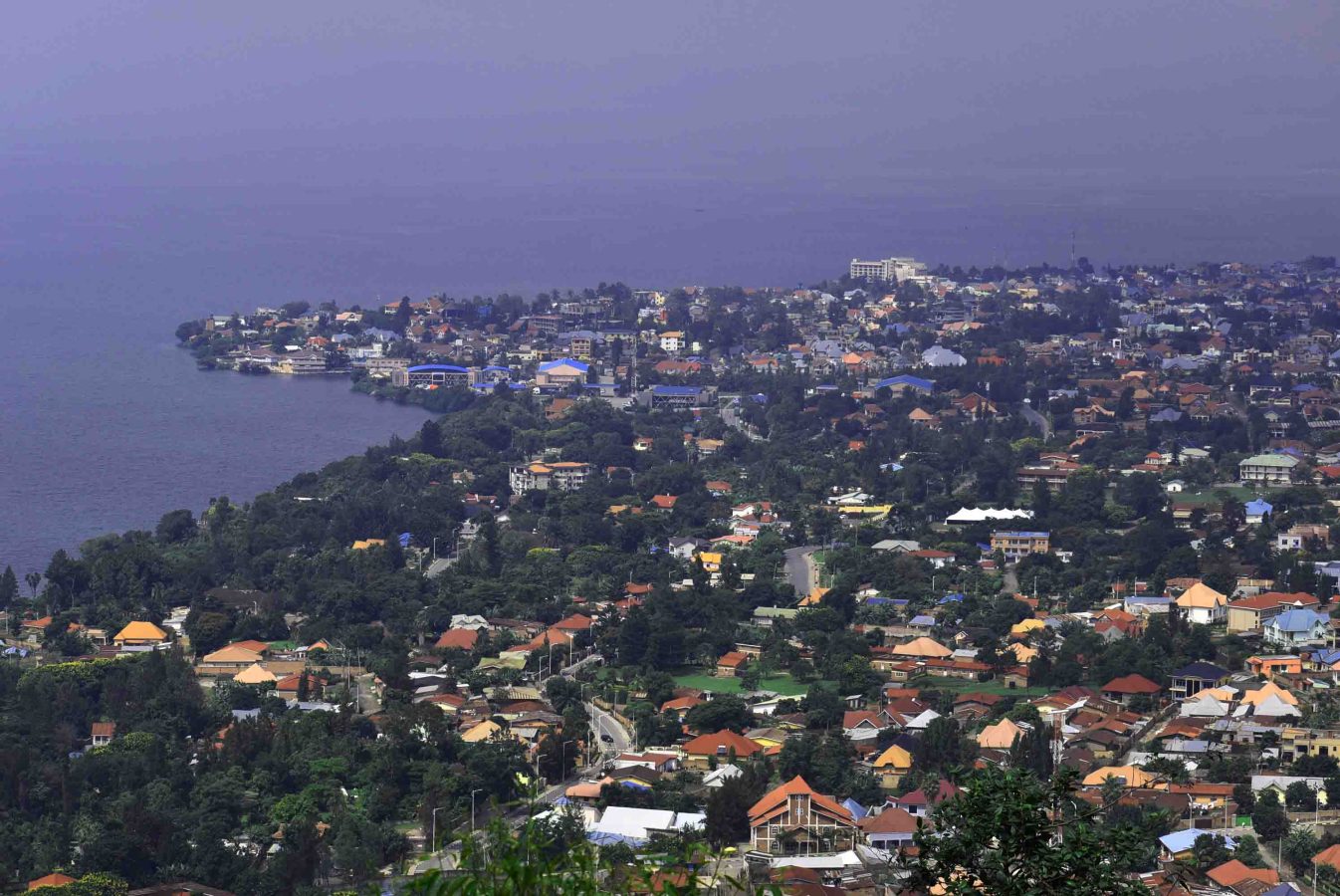
Rubavu (Gisenyi): Rwanda’s Beach Town on Lake Kivu
An hour’s drive from Volcanoes National Park sits a genuinely different kind of Rwandan town, one that offers something no gorilla trekking guide ever quite prepares first-time visitors for: genuine sandy beaches, warm lake water, and a relaxed, tropical atmosphere entirely at odds with the misty volcanic slopes most travellers have just left behind. Rubavu, still widely known by its former name Gisenyi, sits on the northern edge of Lake Kivu and has become one of Rwanda’s most popular spots for unwinding after the physical demands of gorilla trekking or volcano hiking further inland.
A Town With Two Names and a Layered History
Officially renamed Rubavu as part of Rwanda’s broader administrative restructuring some years back, the town is still commonly referred to as Gisenyi by locals, tour operators, and long-time visitors alike, and both names circulate interchangeably in everyday use. As Rwanda’s second-largest city, Rubavu carries genuine urban infrastructure alongside its resort character, a mix of colonial-era architecture, palm-lined avenues, and a lakeside promenade that gives the town a noticeably different feel from the smaller, more purely rural settlements scattered across the rest of the country’s northern region.
The Beaches Themselves
Rubavu’s shoreline holds several distinct sandy beaches, their reddish-tinged sand a direct result of the volcanic geology that shapes so much of this region of Rwanda. The water is warm, clean, and, unlike many of East Africa’s larger lakes, free from the crocodile and hippo risks that complicate swimming elsewhere, making Rubavu one of the more genuinely relaxing places in the country to simply get into the water without the usual vigilance required on lakes like Victoria or Albert. This safety profile, combined with the town’s easygoing tropical atmosphere, has made it Rwanda’s default answer to a proper beach holiday, a genuine rarity indeed for a landlocked country otherwise defined so heavily by volcanoes and forest.
Water Activities on Lake Kivu
Beyond simply swimming, Rubavu offers a genuine range of water-based activities, including kayaking and paddleboarding along the calm, sheltered sections of the lake near the town’s beaches. Boat trips out to nearby islands add another dimension to a Rubavu stay, with Napoleon Island and Amahoro Island among the more commonly visited destinations, offering secluded beaches, birdwatching opportunities, and a genuine sense of escape from the town itself for visitors willing to arrange a short crossing.
The Congo Nile Trail
For travellers with more time and an interest in a longer, more active way to experience the Lake Kivu region, Rubavu serves as one of the starting or ending points for the Congo Nile Trail, a long-distance route that winds along the lakeshore through hilly terrain, passing villages, waterfalls, and the tea and coffee plantations that define much of this part of Rwanda’s economy. Sections of the trail can be walked, cycled, or, for the full experience, tackled over several days as a proper multi-day trekking or biking expedition, connecting Rubavu with other Lake Kivu towns further south along the shore.
The Imbabazi Orphanage
North of town, the former Imbabazi Orphanage stands as a significant historical and cultural landmark connected to Rwanda’s post-genocide recovery. Founded by Rosamund Halsey Carr, an American who returned to Rwanda after the 1994 genocide at the age of eighty-two and transformed her previously ransacked home into an orphanage for survivors, the site offers a powerful, deeply human counterpoint to Rubavu’s more relaxed beach-town identity, connecting the town’s present-day tranquillity to the same national history explored more directly at the Kigali Genocide Memorial further south.
A Restful Stop After Gorilla Trekking
Given its roughly hour-long drive from Volcanoes National Park, Rubavu has become a favoured post-trek destination for travellers looking to recover physically and mentally after the demands of gorilla trekking or a volcano hike. The contrast between dense, misty forest terrain and Rubavu’s open, sun-warmed lakeshore offers a genuine change of pace, and many itineraries build in a night or two here specifically as a deliberate decompression stop before continuing on to other parts of Rwanda or crossing into neighbouring Congo via the nearby border.
Accommodation Options
Rubavu’s accommodation scene spans a genuine range, from simple guesthouses to more established lakefront hotels and resorts built specifically to take advantage of the beach setting. Several properties offer direct beach access alongside swimming pools, restaurants, and organised water activities, giving travellers a proper resort-style stay that stands in sharp contrast to the more rustic lodge experience typical of Volcanoes National Park accommodation just an hour’s drive away.
Getting There
Most visitors reach Rubavu by road, either directly from Kigali on a route that takes several hours through Rwanda’s characteristic hilly, terraced countryside, or as a shorter extension from Musanze and Volcanoes National Park for travellers already in the northern part of the country. The town’s position near the Congolese border also makes it a practical staging point for travellers planning to continue on toward Goma or the wider Virunga region in the Democratic Republic of Congo, subject to the relevant border and visa requirements.
Why Rubavu Deserves a Place on a Rwanda Itinerary
Rwanda’s tourism identity is built so heavily around gorillas and volcanoes that a genuine beach town rarely factors into first-time visitors’ expectations of what a trip to the country might include. Rubavu’s combination of sandy shoreline, warm safe water, water sports, and a relaxed, distinctly tropical atmosphere offers a side of Rwanda that surprises most travellers who make the journey out, and for anyone with the time to add even a single night by the lake, it consistently ranks among the more unexpectedly memorable stops on a broader Rwanda itinerary.
Food and Dining in Rubavu
Rubavu’s dining scene reflects its dual identity as both a working lakeside town and a genuine tourist destination, with options ranging from simple local eateries serving Rwandan staples to more polished restaurants attached to the town’s beachfront hotels, several offering fresh fish pulled directly from Lake Kivu alongside more international menu options. The lake itself supports a modest fishing industry, and freshly caught fish, prepared in a variety of styles, features prominently on menus throughout the town, giving visitors a genuine taste of the immediate local environment rather than relying entirely on imported ingredients.
The Nightlife and Social Scene
As Rwanda’s most established beach town, Rubavu has developed a livelier evening scene than most of the country’s other secondary destinations, with beachfront bars and lounges taking advantage of the lakeside setting for evening drinks and sunset views across the water. This social dimension adds another layer to Rubavu’s appeal beyond its daytime beach and water activities, particularly for younger travellers or those simply looking for a change of pace from the earlier nights typical of gorilla trekking bases further inland, where early starts the following morning generally discourage late evenings out.
Crossing Into the Democratic Republic of Congo
Rubavu’s position directly on the Congolese border, adjacent to the city of Goma, makes it a genuine gateway for travellers with the appropriate visas and arrangements to continue their trip into the Democratic Republic of Congo, whether toward Virunga National Park’s own gorilla trekking programme or further into the country’s eastern region. This border crossing function adds a practical dimension to Rubavu beyond its purely recreational appeal, positioning the town as a logistical hub for travellers building a broader Central African itinerary that extends past Rwanda’s borders.
Climate and Best Time to Visit
Rubavu’s lakeside position and lower elevation compared to Volcanoes National Park give it a noticeably warmer, more tropical climate than the misty volcanic highlands further inland, a welcome contrast for travellers arriving directly from a cold, wet morning of gorilla trekking. The town can be visited comfortably throughout the year, though Rwanda’s drier months generally offer the most reliable conditions for beach time and water activities, with less risk of rain interrupting a planned day on the water.
A Practical Base for Exploring the Wider Lake Kivu Shore
Beyond its own beaches and attractions, Rubavu functions as a practical starting point for exploring the wider Lake Kivu shoreline, whether through a Congo Nile Trail excursion, a boat trip to other lakeside towns further south, or simply day trips into the surrounding countryside and its tea and coffee plantations. Travellers with an extra day or two beyond a simple beach stay will find Rubavu a genuinely useful base for this kind of broader regional exploration, rather than a destination that exhausts its appeal after a single day by the water.
For travellers planning time around Lake Kivu, Rubavu remains the most developed and accessible entry point to the lake’s northern shore, combining beach relaxation, water activities, and practical access to the wider region in a single, easily reached destination just beyond Rwanda’s gorilla trekking heartland. Whether treated as a brief recovery stop or a genuine multi-day beach holiday in its own right, Rubavu offers a side of Rwanda that few visitors expect to find in what is otherwise widely known as a landlocked country of volcanoes and forest.