
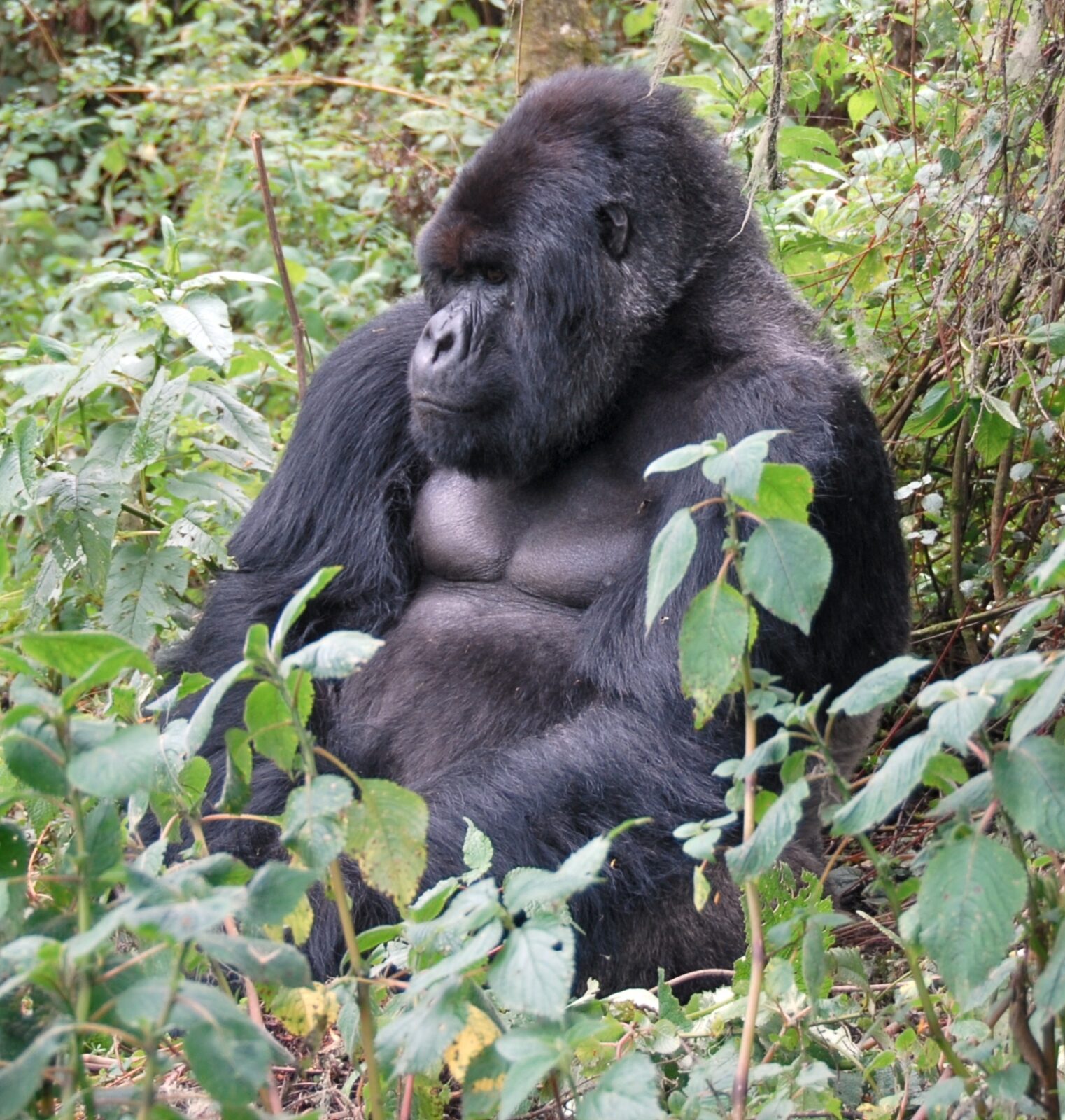
Most gorilla trek disappointments have nothing to do with the gorillas. They come from decisions made weeks earlier, back home, before the trip even started. These five gorilla safari mistakes show up again and again in traveller accounts, and every one of them is avoidable with a bit of foresight.
Why It’s Worth Learning These Before You Book, Not After
Every one of these mistakes is easy to spot in hindsight and easy to miss in advance, which is exactly why they keep happening to first-time trekkers regardless of how much general travel experience someone has. A gorilla trek doesn’t follow the same rhythm as a typical safari or city break, and assumptions carried over from other kinds of travel are usually where the trouble starts. Reading through these before you’ve committed to dates, rather than after something has already gone sideways, is the difference between a minor adjustment to your plan and a genuinely disappointing day you can’t get back.
Mistake One: Booking the Permit Too Late
Gorilla permits are limited by design – only a fixed number of trekkers are allowed to visit each habituated family per day, to protect both the gorillas and the quality of the experience. In peak season, permits for popular sectors can sell out months in advance. Trekkers who leave booking until a few weeks before travel often find their preferred dates, sectors, or even countries already full, forcing a scramble to rearrange an entire itinerary around whatever’s left. Booking permits as one of the very first steps in planning, before flights and lodges, avoids this entirely.
Mistake Two: Underestimating the Physical Demand
This mistake is compounded by a natural tendency to compare gorilla trekking to whatever hiking experience someone already knows, which usually isn’t a fair comparison. A moderately fit hiker used to well-marked trails back home can still be caught off guard by Bwindi’s combination of altitude, dense vegetation requiring you to duck and push through rather than walk cleanly, and mud that shifts underfoot in a way flat, dry trails never do.
Gorilla trekking is not a gentle nature walk, and treating it like one is a common and costly assumption. Trails can mean several hours of steep, muddy, uneven terrain, sometimes at real altitude, and the walk back after your hour with the gorillas is exactly as demanding as the walk in. Trekkers who arrive with no walking preparation, unsuitable footwear, or an unrealistic sense of their own fitness sometimes find themselves struggling badly partway through, which affects both their own experience and the pace of the whole group. A few weeks of genuine walking practice beforehand, honest footwear, and an upfront conversation with your operator about your fitness level heads this off well before trek day.
Mistake Three: Packing for the Wrong Weather
Bwindi and the Virungas sit at altitude in a genuinely rainy part of the world, and conditions inside the forest can shift from bright sun to a downpour within the same hour, regardless of season. Trekkers who pack as though they’re headed to a typical savanna safari – light layers, no rain protection, cotton everything – often end up cold, wet, and uncomfortable for the one experience they travelled furthest to have. A proper rain jacket, quick-drying layers rather than cotton, and gaiters or long trousers tucked into boots to manage both mud and biting ants make a genuine difference to how much you actually enjoy the day.
Mistake Three, Continued: Ignoring the Rest of Your Bag
Weather isn’t the only packing miss. Trekkers frequently forget hand sanitiser and tissues, both genuinely useful on a forest trail with no facilities for hours at a stretch, or overpack heavy camera gear they end up resenting carrying on steep terrain. A porter can help with the physical weight, but even a porter can’t fix a bag packed around the wrong assumptions about what a day in dense rainforest actually requires.
Mistake Four: Treating the Rules as Optional
The minimum viewing distance, the ban on flash photography, the instruction to stay quiet and follow your ranger’s positioning – these exist because mountain gorillas share close to 98% of their DNA with humans, which means illness moves between the species with real ease. Trekkers who push closer for a better photo, or ignore a ranger’s instruction to back away, aren’t just risking a reprimand; they’re risking the health of an endangered family and, occasionally, their own trek being cut short as a consequence. Following instructions immediately and without negotiation is one of the few genuinely non-negotiable parts of the day.
Mistake Four, Continued: Assuming Photography Rules Are Flexible
Flash photography is banned outright, for good reason – a sudden bright flash can startle a wild animal at close range in ways that are genuinely unpredictable. Trekkers who assume this rule is a loose suggestion rather than a strict one occasionally trigger a tense moment entirely of their own making, disrupting the group’s encounter and putting themselves needlessly close to a defensive reaction from an animal several times their strength.
Mistake Five: Forgetting the Human Side of the Trek
It’s easy to plan meticulously for the gorillas and forget the people who get you there. Under-tipping your ranger guide and porter team, or skipping the porter entirely to save a small daily fee, is a mistake that affects both your own experience – porters genuinely help over difficult sections of trail – and the livelihoods of the community your permit fee is meant to support. Budgeting for tips as a real, expected line item, not an afterthought decided on the trail, is worth doing before you leave home.
The Sixth Mistake, Bundled In: Overpacking the Rest of the Trip Around One Day
It’s tempting to build an entire East Africa itinerary at a breathless pace, treating the gorilla trek as one stop among many on a packed schedule. Trekkers who fly in, drive straight to the park, trek the next morning with no buffer for travel fatigue, and immediately move on to the next destination often find themselves too exhausted to actually enjoy the day they planned the whole trip around. Building in at least one rest day before your trek, even a short one, tends to make a measurable difference to how much you actually take in.
Why These Mistakes Cluster Together
None of these five happen in isolation. A late booking often forces a rushed itinerary, which leads to skipping fitness preparation, which leads to arriving under-packed and under-prepared for weather nobody warned about. Catching the first mistake – booking early – tends to naturally prevent the cascade that follows, since it buys you the time to plan properly for everything downstream of it.
A Smaller but Common Sixth Mistake: Not Carrying Enough Cash
Tips for your ranger guide, tracker, and porter are typically paid in cash on the day, and remote park gates are not the place to discover your cards don’t work or the nearest ATM is hours away. Trekkers occasionally arrive having budgeted for the big-ticket items – permit, lodge, transport – while forgetting that the trek itself ends with a cash transaction that has to happen on the spot. Carrying enough small-denomination local currency or US dollars for tips, worked out and set aside before trek day, avoids an awkward scramble at exactly the wrong moment.
Frequently Asked Questions
Which of these mistakes causes the most trek cancellations?
Booking too late is the most common cause of a trip having to be rearranged entirely, since it can eliminate your preferred dates and sectors before you’ve even started planning the rest of the trip around them.
Can an operator help me avoid the fitness mistake if I’m not sure how fit I am?
Yes, and a good one will ask. Being honest about your fitness level when booking lets your operator recommend a gentler sector or arrange porter support in advance, rather than discovering a mismatch on the trail itself.
Is it really worth buying specific rain gear for one day of trekking?
Given how much the weather affects comfort on a physically demanding day you’ve travelled a long way for, most trekkers who’ve done it without proper gear say it was worth the investment in hindsight.
What’s the easiest of these five mistakes to fix at the last minute?
Packing and cash preparation can both still be corrected the night before if caught in time. Booking too late and skipping fitness preparation are much harder to fix once you’re already close to travel dates, which is why they’re worth addressing first.
Is there a single resource that covers all five of these in more depth?
Not one single page, since each mistake touches a different part of planning, but working through a proper beginner’s guide alongside a fitness and packing checklist before you book covers the same ground these five points are drawn from.
To get ahead of these before you book, this full packing list and this fitness preparation guide are worth reading well before your trip. This guide to gorilla etiquette and what happens if a silverback charges covers the behavioural rules in more depth, and this beginner’s guide is a solid starting point for planning the rest of the trip around your permit dates.