
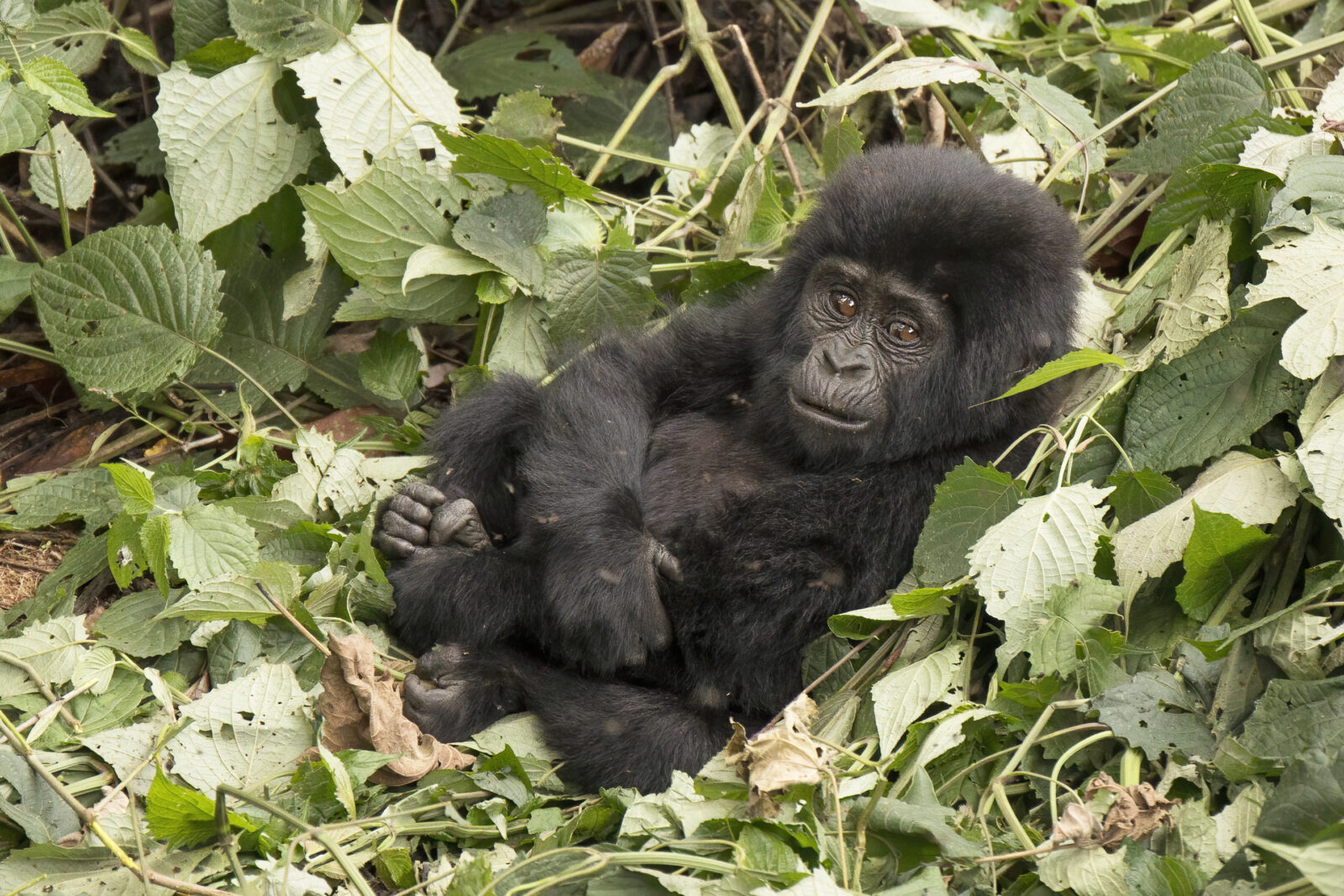
Before booking flights, choosing a lodge, or even settling on which sector to trek, most first-time visitors want one number first. How much does a gorilla permit cost in Bwindi Impenetrable National Park is usually the very first question anyone researching a Uganda trek asks, and it deserves a clear, current, and honestly explained answer rather than a vague range buried in marketing copy.
This guide breaks down exactly what a Bwindi permit costs, what that fee actually buys you, and the handful of related costs first-timers consistently forget to budget for alongside it.
The Current Permit Fee
It’s worth getting this figure directly from a source you trust rather than the first search result that appears, since outdated blog posts and forum threads referencing old pricing circulate widely online long after the actual fee has moved. A licensed operator quoting you a current, specific price, ideally alongside a reference to when that pricing was last confirmed, is more reliable than any single static article, this one included.
Uganda Wildlife Authority sets a single permit price for foreign non-resident visitors trekking in Bwindi Impenetrable National Park, priced in US dollars and paid either directly to UWA or, far more commonly, through your tour operator as part of a broader booking. Foreign residents living and working in East Africa pay a reduced rate, and East African citizens pay a substantially lower resident rate again. Because this figure is periodically reviewed and adjusted, it’s worth confirming the current exact price directly with a licensed operator or UWA at the time you book, rather than relying on any single published figure that may have shifted since it was written.
Why the Fee Is Set the Way It Is
It’s worth holding both facts in mind at once when the price first gives you pause: this is genuinely one of the more expensive single-day wildlife experiences available anywhere, and it is also directly, traceably funding the reason mountain gorillas still exist to be trekked at all. Very few tourism experiences link cost to outcome quite this directly.
The permit price isn’t an arbitrary number pulled from thin air. It funds ranger salaries, anti-poaching patrols, veterinary monitoring of habituated gorilla families, and community revenue-sharing programmes for the villages bordering the park. Bwindi’s mountain gorilla population is part of a species numbering only just over a thousand individuals worldwide, and the entire conservation model protecting them depends on tourism revenue at a scale that reflects the genuine cost of that protection.
What the Permit Fee Actually Covers
First-time trekkers sometimes assume, reasonably enough, that a fee this size must bundle in the whole experience — accommodation, meals, transport included. It doesn’t, and understanding that distinction clearly before you book prevents an unpleasant gap between what you expected and what a quoted travel package actually needs to add on top.
Your permit covers a single, specific slot with one habituated gorilla family on one specific date, park entry for that day, and the services of your ranger guide and tracking team who locate the family before your group sets off. It does not cover transport to the park, accommodation, meals, porters, or tips, all of which are separate costs that need to be budgeted alongside the permit itself rather than assumed to be bundled in.
How Bwindi’s Permit Compares to Neighbouring Options
Uganda’s gorilla permit, whether trekking in Bwindi specifically or Mgahinga, sits meaningfully below Rwanda’s Volcanoes National Park pricing, which has been positioned deliberately as a premium, lower-volume experience. Congo’s Virunga National Park generally prices lower again, though it comes with separate security considerations worth researching carefully. For budget-conscious trekkers with no fixed country preference, this price gap is often the deciding factor in choosing Uganda specifically.
Standard Permit Versus Habituation Permit Pricing
Bwindi also offers a smaller number of gorilla habituation experience permits, priced above the standard trekking permit, which give you up to four hours with a family still becoming accustomed to human presence rather than the standard one hour with a fully habituated group. This is a genuinely different, longer, more research-oriented experience rather than simply a pricier version of the same trek, and it’s worth understanding as a separate product with its own separate cost before assuming the standard fee applies.
Booking Timing and Price Stability
This stability, once your permit is confirmed, is a genuine planning advantage worth appreciating — you can build the rest of your itinerary and budget around a locked-in figure rather than a moving target, which is more than can be said for many other travel costs like flights that can still shift right up until departure.
Once you’ve paid for and been allocated a specific permit, that price is locked in for your booking regardless of any subsequent general price change announced afterward. This is one more reason booking early, once your travel dates are settled, is worth doing rather than waiting and hoping for a lower price later — permit costs have historically trended upward over time rather than down, and delaying rarely results in a cheaper booking.
What Else You’ll Actually Spend Alongside the Permit
A rough rule of thumb some experienced trekkers use is that the permit represents somewhere between a third and half of the total single-day cost of the trek itself once transport, accommodation for that night, porter fees, and tips are all factored in — a useful sanity check when budgeting the wider trip, rather than treating the permit price as the whole picture.
The permit is typically the single largest line item on a gorilla trekking day, but it’s far from the only cost. Transport to and from the park, a night or two of accommodation near Bwindi, a porter for the trek itself, and tips for your ranger, tracker, and porter team all add up to a meaningful sum beyond the permit fee alone. Budgeting realistically for the full day, not just the permit, avoids an unpleasant surprise once you’re actually totting up the real cost of your trip.
How to Verify You’re Being Quoted the Real Price
Because the permit fee is the single largest cost in most gorilla trekking budgets, it’s also the number some less scrupulous listings quietly manipulate — quoting an unusually low “package price” that turns out to exclude the permit entirely, or bundling in a discounted, non-standard permit type without saying so clearly. Asking a prospective operator to itemise the permit fee separately from everything else in a quote is a simple, direct way to confirm you’re seeing the genuine cost rather than an artificially attractive headline number.
Cross-checking a specific quoted permit price against Uganda Wildlife Authorit