
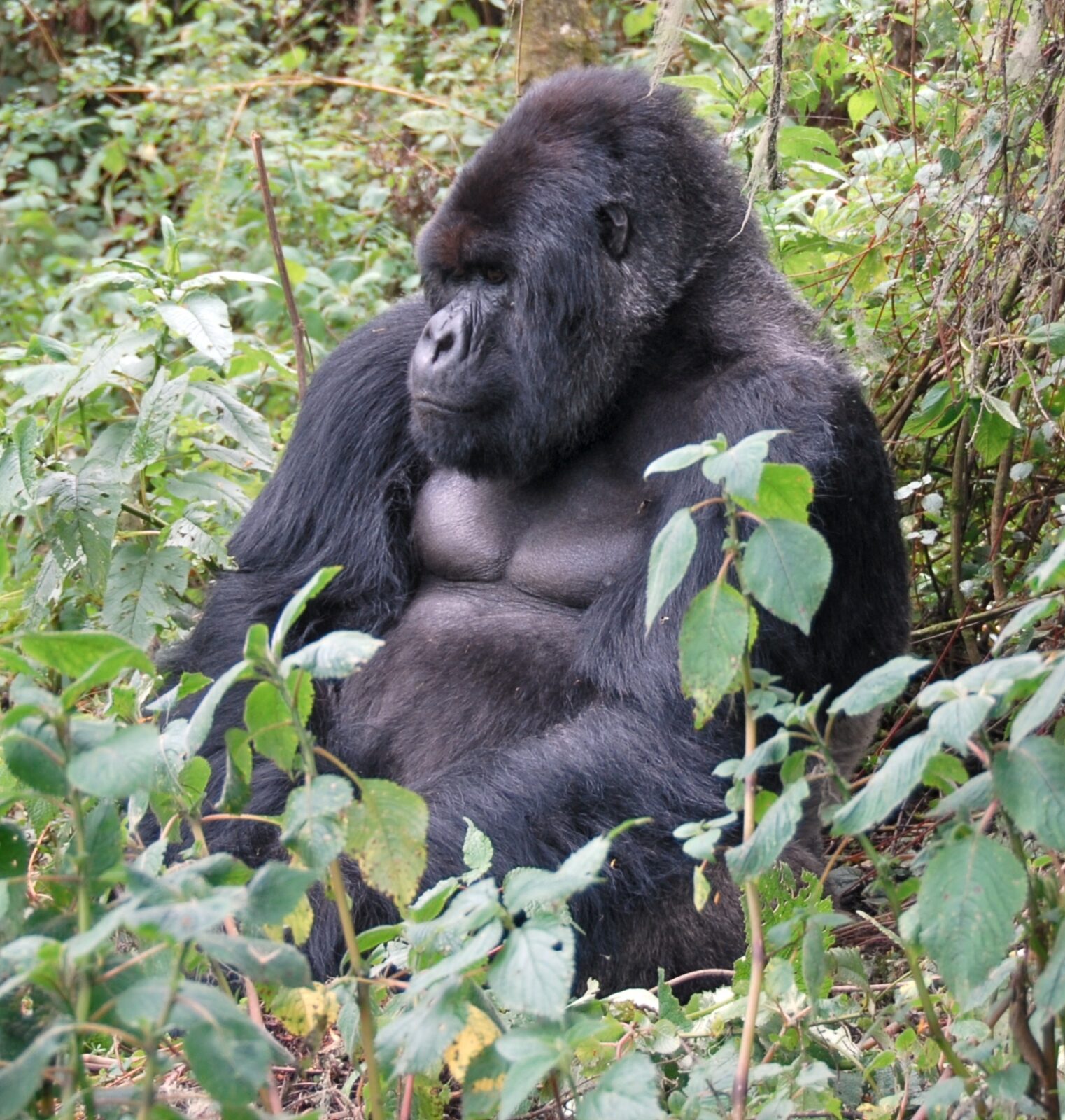
Dry season gorilla trekking still means walking through genuine rainforest, and trekkers researching what to actually wear during these months deserve a specific answer rather than assuming “dry” means “no rain gear needed at all.” What clothes should I wear for gorilla trekking during the dry season has a genuinely specific answer shaped by this season’s particular combination of firmer trails, real heat during exertion, and still-real forest humidity.
This guide covers what to actually wear during dry season treks, why “dry” doesn’t mean what many trekkers assume, and how to layer properly for this specific season’s conditions.
Why Dry Season Clothing Still Requires Real Thought
Dry season, roughly June through August and December through February in this region, genuinely reduces mud and rain likelihood compared to wetter months, but it doesn’t eliminate either entirely – worth packing with realistic expectations rather than assuming zero rain gear is needed simply because it’s the “dry” season.
The Short Answer: Lighter Layers, Still With Real Rain Protection
Dry season trekkers can genuinely pack lighter, more breathable layers than during wetter months, while still including a compact rain jacket as insurance – worth treating dry season as “lower rain probability,” not “guaranteed rain-free,” given the region’s genuinely unpredictable forest microclimate.
Why Base Layer Choice Matters More During Dry Season Heat
Dry season treks genuinely involve more direct heat exposure and higher exertion-related sweating, meaning moisture-wicking, breathable base layers matter more here than during cooler, wetter months – worth prioritizing genuine technical hiking fabrics over cotton, which stays wet and uncomfortable once you sweat.
Why Long Sleeves and Trousers Remain Necessary Regardless of Heat
Despite the heat, long sleeves and trousers remain genuinely necessary during dry season treks too, protecting against thorny vegetation, stinging nettles, and biting insects that don’t disappear simply because rain is less likely – worth resisting the temptation to pack shorts or short sleeves for this specific activity.
How Layering Works Specifically for Dry Season Conditions
A breathable base layer, a light mid-layer for cooler early morning starts, and a compact packable rain shell for genuine insurance against unexpected showers together form the right dry season layering system – worth packing all three even though you’ll likely shed the mid-layer once trekking begins.
Why Early Morning Starts Still Require Warmer Layers
Pre-dawn trek starts remain genuinely cool even during dry season, particularly at higher-elevation sectors, meaning a light fleece or warm layer for the briefing and initial ascent is still worth packing even though you’ll likely remove it once you’re moving and generating body heat.
What Footwear Considerations Change During Dry Season
Firmer, less muddy trails during dry season still require sturdy waterproof hiking boots with real ankle support, since terrain unevenness and occasional wet patches don’t disappear entirely – worth maintaining the same footwear standard regardless of season, even if overall mud risk is genuinely lower.
Why Sun Protection Becomes a Bigger Consideration
Dry season’s clearer skies genuinely increase sun exposure risk during exposed trail sections, making a hat, sunglasses, and sunscreen more important additions to your clothing and gear plan than during consistently overcast wetter months.
How Dry Season Clothing Differs by Specific Destination
Rwanda and Congo’s higher-altitude volcanic terrain genuinely stays cooler even during dry season compared to Uganda’s Bwindi forest, meaning trekkers heading to Volcanoes National Park or Virunga should pack slightly warmer layers than those trekking Bwindi during the same calendar months.
Why Packing Light Still Matters During Dry Season
Even with generally more favorable dry season conditions, packing efficiently rather than over-packing remains worthwhile, since you’re still carrying everything through genuinely demanding forest terrain – worth prioritizing versatile, layerable pieces over excessive individual items.
What Rangers and Guides Recommend for Dry Season Treks
Guides consistently note that trekkers who assume dry season means minimal preparation sometimes get caught out by unexpected showers or underestimate morning cold, worth taking this practical, ground-level observation seriously rather than relaxing your preparation simply because it’s technically the dry season.
Why Color Choice Still Matters Even in Drier Conditions
Neutral, muted colors – khaki, olive, brown – remain worth choosing over bright or dark colors regardless of season, since dark colors attract more heat during dry season’s stronger sun exposure while bright colors can be more visible and potentially distracting to wildlife during your trek.
How Dry Season Affects Your Choice of Socks and Gaiters
Moisture-wicking hiking socks remain genuinely important during dry season despite reduced mud risk, since exertion-related sweating still creates blister risk on longer treks, while gaiters become somewhat less critical for mud protection but still offer real value against safari ants and thorny vegetation.
What a Complete Dry Season Trek-Day Outfit Actually Looks Like
A genuinely well-prepared dry season outfit combines a breathable long-sleeve base layer, quick-dry trousers, moisture-wicking socks inside sturdy waterproof boots, a light packable rain shell in your daypack, a sun hat, and a light fleece for the pre-dawn briefing – worth assembling this full system rather than packing pieces individually without a coherent plan.
Why Trekkers Sometimes Underpack for Dry Season Specifically
The word “dry” itself sometimes leads trekkers to underpack rain protection or warm layers more aggressively than during clearly wet or clearly cold seasons, when in reality the region’s forest microclimate remains genuinely variable regardless of the season’s general label – worth resisting this specific psychological trap when finalizing your packing list.
How Dry Season Timing Affects Your Overall Comfort Beyond Clothing
Beyond clothing itself, dry season’s firmer trails and generally more predictable weather make for a more comfortable overall trekking experience, worth factoring into your broader trip timing decision alongside the clothing considerations covered here if your schedule offers genuine flexibility on travel dates.
Final Thoughts on Dressing for Dry Season Gorilla Trekking
Dry season genuinely offers more favorable trekking conditions overall, but smart clothing choices still matter – proper layering, continued rain-gear insurance, and appropriate sun protection make the difference between a comfortable trek and one caught out by this season’s real, if reduced, unpredictability.
Why This Preparation Effort Genuinely Pays Off on Trek Day
Trekkers who plan their dry season layering system deliberately, rather than assembling clothing haphazardly at the last minute, consistently report a noticeably more comfortable trek day, since the specific combination of heat, occasional showers, and cool mornings this season brings rewards genuine forethought over improvisation.
Frequently Asked Questions
Do I still need a rain jacket during dry season treks?
Yes, genuinely – dry season reduces rain probability but doesn’t eliminate it entirely, so a compact rain jacket remains worthwhile insurance.
Can I wear shorts during dry season treks given the heat?
No – long sleeves and trousers remain necessary regardless of season, protecting against thorny vegetation, stinging nettles, and insects.
Do I need warm layers for early morning starts during dry season?
Yes – pre-dawn starts remain genuinely cool even in dry season, particularly at higher elevation, so a light fleece is still worth packing.
Should I prioritize sun protection more during dry season?
Definitely – clearer skies increase sun exposure risk during exposed sections, making a hat, sunglasses, and sunscreen more important additions.
Does dry season clothing differ between Uganda and Rwanda/Congo?
Somewhat – Rwanda and Congo’s higher volcanic terrain stays cooler even in dry season, so slightly warmer layers are worth packing there.
Should I still wear waterproof boots during dry season?
Yes – terrain unevenness and occasional wet patches don’t disappear entirely, so the same sturdy waterproof standard applies regardless of season.
What base layer fabric works best for dry season heat?
Moisture-wicking, breathable technical hiking fabric rather than cotton, which stays wet and uncomfortable once you start sweating from exertion.
Can I pack lighter overall during dry season?
Generally yes, given more favorable conditions, though still prioritize versatile, layerable pieces over excessive individual items for demanding terrain.
Do guides warn against underpreparing for dry season treks?
Yes, consistently – trekkers who assume minimal preparation is fine sometimes get caught out by unexpected showers or underestimate morning cold.
Is dry season clothing genuinely different from rainy season clothing?
Meaningfully lighter and less rain-focused overall, though the core layering principle and long-sleeve requirement remain consistent across both seasons.
Does clothing color actually matter for gorilla trekking?
Yes – neutral, muted colors like khaki or olive are worth choosing over bright or dark options, which attract more heat and stand out more visibly.
Do I still need gaiters during dry season treks?
Less critically for mud, but they still offer real value against safari ants and thorny vegetation regardless of reduced mud risk.
Why do trekkers sometimes underpack specifically for dry season?
The word “dry” itself can create a false sense of security, when the region’s forest microclimate remains genuinely variable regardless of season label.
What does a complete dry season trek-day outfit actually include?
A breathable base layer, quick-dry trousers, moisture-wicking socks, waterproof boots, a packable rain shell, a sun hat, and a light fleece for the briefing.
Plan the Rest of Your Trip
For the full packing picture, this complete packing checklist is worth reading, alongside this rain gear guide. For further planning, this boots guide is a useful next read, and this guide on the best time to trek helps you plan your travel dates.