
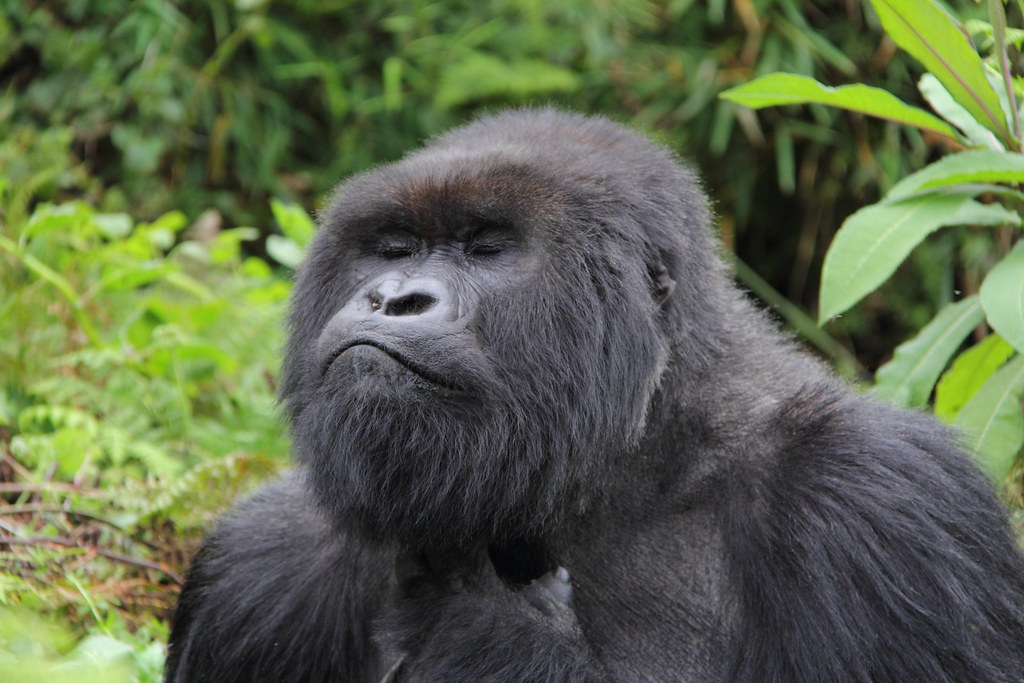
Dian Fossey Tomb Trail: Combining History with Gorilla Trekking in Rwanda
The Dian Fossey tomb trail offers something genuinely different from a standard gorilla trek, a chance to walk through the actual history of mountain gorilla conservation rather than simply observing its results. Located at the former Karisoke Research Center, nestled on the saddle between Mount Bisoke and Mount Karisimbi in Rwanda’s Volcanoes National Park, the hike leads to the grave site of the researcher whose work fundamentally changed how the world understood, and ultimately protected, mountain gorillas. For travelers who have already booked a gorilla permit, or who want a deeper, more reflective addition to a Rwanda itinerary, this trail pairs remarkably well with the trekking experience itself.
Who Dian Fossey Was and Why the Site Matters
Dian Fossey established Karisoke Research Center in 1967, spending the following eighteen years living and working among Rwanda’s mountain gorillas, conducting research that produced foundational scientific understanding of gorilla behavior and social structure while simultaneously waging an increasingly public fight against the poaching that was, at the time, pushing the species toward extinction. Her advocacy work made her a controversial figure among some in the local conservation and political establishment even as it drew international attention to the gorillas’ plight, and her 1985 murder at Karisoke, never definitively solved, cemented her as both a martyr and an enduring symbol for gorilla conservation. The Dian Fossey Gorilla Fund, the organization she founded, continues active conservation and research work in Rwanda and the wider Virunga region today, carrying her original mission forward decades after her death. Her book, Gorillas in the Mist, published shortly before her death and later adapted into a well-known film, remains the single most influential piece of popular writing on mountain gorillas, and many visitors arrive at the tomb trail having read it years earlier, giving the hike a personal resonance that goes beyond simply visiting a historical site.
Fossey chose to be buried at Karisoke herself, in a small cemetery she had originally built for gorillas killed by poachers during her years of research, and she rests there today beside Digit, a gorilla whose death at poachers’ hands in 1977 became a turning point in her public advocacy and one of the most widely publicized losses of her research career. Walking through this small graveyard, gorilla graves surrounding Fossey’s own, is a genuinely moving experience that goes well beyond typical wildlife tourism into something closer to a pilgrimage for visitors who care about the history behind modern gorilla conservation.
What the Hike Actually Involves
The trek to Fossey’s grave begins with roughly a thirty-minute drive from Volcanoes National Park headquarters at Kinigi to the trailhead, followed by a short ten-minute walk to the park boundary itself. From there, the hike to the grave site takes approximately two to three hours, with rest stops built in for water and a snack along the way, covering mountainous, sometimes muddy terrain that requires reasonable fitness even though it is generally considered less demanding than a full gorilla trek. The trail passes through genuinely beautiful high-altitude forest, offering a real sense of the landscape Fossey spent nearly two decades living and working in, before reaching the historic Karisoke Research Center site itself and, just beyond it, the small gorilla and human graveyard.
Permit Costs and Booking
Visiting the Dian Fossey tomb requires a separate permit from the standard gorilla trekking permit, priced considerably lower at $75 for foreign non-residents, with reduced rates of $60 for foreign residents and $65 for East African residents. This permit includes a guide for the full hike and can typically be purchased on the day itself at the Karisoke Research Center, though booking in advance through your tour operator, particularly if you want to combine it with a gorilla trek on the same trip, is the more reliable approach given how itineraries tend to fill up during peak trekking season.
Best Time of Year to Hike the Trail
The Dian Fossey tomb trail is accessible year-round, but conditions vary meaningfully between Rwanda’s wetter and drier seasons. The drier months, roughly June through September and December through February, generally offer firmer trail conditions and a lower chance of the kind of sustained rain that can turn the mountainous terrain genuinely slick and challenging. Trekking during the wetter months, March through May and again in the shorter rains around October and November, is still entirely possible and some visitors specifically prefer the lush, dramatically green forest these months produce, but it is worth budgeting extra time and packing more thorough rain gear if visiting outside the drier windows. Since most travelers pair this hike with a standard gorilla trek during the same trip, timing both activities around the same seasonal considerations, rather than treating them as entirely separate scheduling decisions, tends to produce the smoothest overall experience.
Combining the Trail With Your Gorilla Trek
Most visitors who make the trip to Fossey’s grave do so as a separate day from their actual gorilla trek, since both activities involve genuine physical exertion and combining them in a single day would be unnecessarily demanding. A well-structured Rwanda itinerary with at least three or four days allows one day for the standard gorilla trek and a separate day for the Dian Fossey hike, along with time to properly rest between the two. This pairing works particularly well for travelers who want their trip to carry more depth than trekking alone provides, understanding the history and advocacy that made today’s gorilla population recovery possible adds real context to the trekking experience itself, transforming it from simply an incredible wildlife encounter into a fuller appreciation of everything that had to happen to make that encounter possible at all. Rwanda’s mountain gorilla population, alongside Uganda’s, has grown steadily over the decades since Fossey’s death, a trajectory directly traceable to the research, advocacy, and anti-poaching foundations she established at Karisoke, which makes visiting her grave feel less like historical tourism and more like paying respects to the origin point of a genuine ongoing conservation success story.
The Karisoke Research Center Legacy Today
Karisoke Research Center itself, though the original camp structures Fossey lived and worked in no longer stand in their original form, continues as an active site of gorilla research and monitoring under the Dian Fossey Gorilla Fund, which relocated its modern operational base to Musanze while maintaining the historic Karisoke site as both a research field station and a place of pilgrimage for visitors. The organization’s ongoing work includes daily monitoring of habituated gorilla families, veterinary intervention capacity, and anti-poaching patrol support that operates alongside, and in close coordination with, Rwanda Development Board’s own ranger teams. Visiting the tomb trail connects directly to this living legacy rather than simply commemorating a historical figure, since the research and protection methods Fossey pioneered decades ago still directly inform how gorilla families are monitored and protected today.
The visitor center and small museum near Kinigi, run in partnership with the Dian Fossey Gorilla Fund, is worth visiting either before or after the tomb hike itself, offering context on Fossey’s research methods, the history of Karisoke, and the broader story of mountain gorilla conservation across the Virunga region that the tomb trail alone does not fully convey. Photography inside the museum is generally restricted in certain sections to protect archival materials and original research documents, worth knowing in advance so it does not come as a surprise mid-visit, and allocating a genuine hour or so for the museum rather than a rushed ten-minute pass-through makes a noticeable difference in how much of the story actually sinks in.
Physical Preparation for the Hike
While generally considered less demanding than a full gorilla trek, the Dian Fossey tomb trail still requires genuine fitness and appropriate preparation, since it covers mountainous terrain at meaningful altitude over several hours. The same footwear and clothing guidance that applies to gorilla trekking, waterproof hiking boots with ankle support, layered clothing suited to a cool, sometimes rainy mountain environment, and a daypack with water and snacks, applies equally here. Given that most visitors undertake this hike on a separate day from their gorilla trek rather than the same morning, it offers a genuine opportunity to build acclimatization and stamina across a multi-day Rwanda itinerary rather than concentrating all physical exertion into a single demanding day.
Planning a Trip That Includes Both
Given the trail’s location between Bisoke and Karisimbi, our guides to Mount Bisoke and the Mount Karisimbi hike are worth reading alongside this piece if you are considering either volcano hike as a further addition to your trip. Our profile of the Susa gorilla family, the group most closely associated with Fossey’s original research, is a natural companion read given the historical connection. A three-day Rwanda gorilla safari gives you enough time to properly build in both the standard trek and a separate day for the Dian Fossey tomb trail, without rushing either experience or leaving Rwanda’s deeper conservation history unexplored. Our broader gorilla population growth success stories page is worth reading afterward too, connecting Fossey’s original work directly to the population figures conservationists cite today.