
Gorilla Safari and Volcano Hike: Rwanda’s Combined Adventure
A gorilla safari combined with a volcano hike is one of the most complete adventure experiences in East Africa, especially when centered around Rwanda’s northern highlands. It brings together two powerful elements of the Virunga ecosystem: close-range encounters with mountain gorillas in their natural rainforest habitat and high-altitude hiking across volcanic landscapes that define the region’s dramatic geography.
This combination is primarily experienced in and around Volcanoes National Park, where gorilla trekking is paired with climbs of dormant volcanoes such as Mount Bisoke and Mount Karisimbi. The result is a journey that blends wildlife immersion with alpine exploration, offering both emotional depth and physical challenge within a compact geographic area.
The Core Idea: Wildlife Encounter Meets Mountain Challenge
The strength of this combination lies in contrast. Gorilla trekking is intimate, slow-paced, and emotionally absorbing. It places you face-to-face with one of the world’s most endangered primates in a dense rainforest environment. Volcano hiking, on the other hand, is expansive, physically demanding, and landscape-driven, involving long ascents through changing ecological zones.
Together, they create a layered experience where the focus shifts from animal behavior to geological scale, from forest-level observation to panoramic summit views.
Gorilla Trekking in Volcanoes National Park
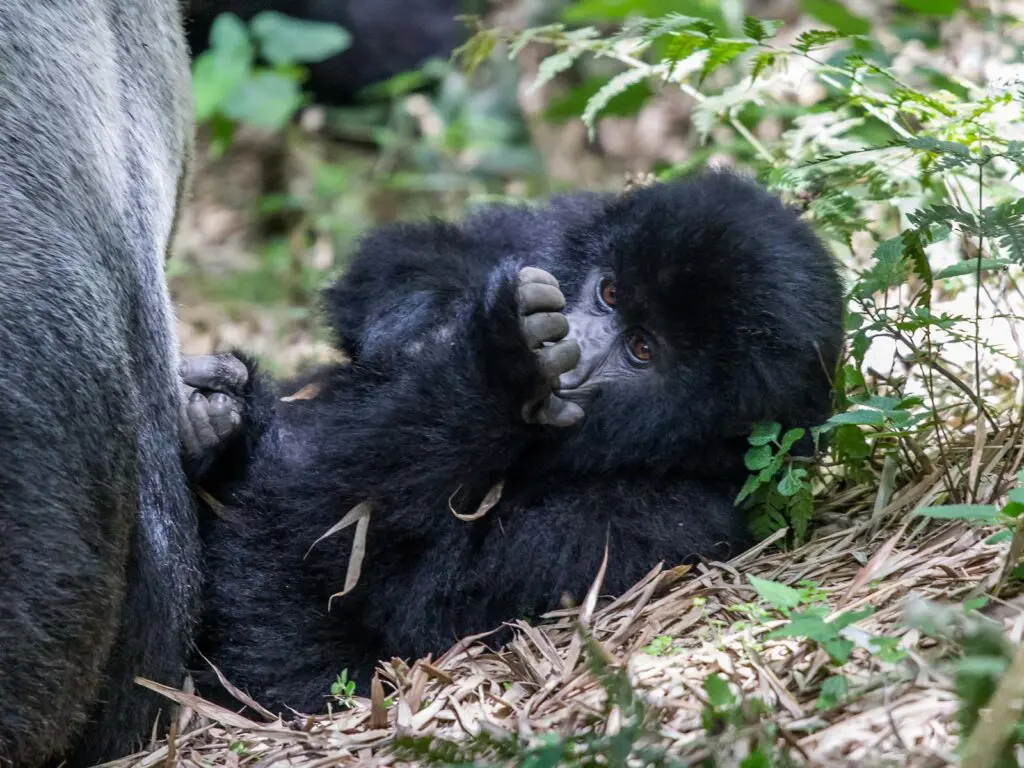
Gorilla trekking in Volcanoes National Park is a tightly regulated conservation activity. The park is home to several habituated gorilla families that live in the bamboo and montane forests on the slopes of the Virunga volcanoes.
The experience begins early in the morning at park headquarters, where trekkers are briefed and assigned to specific gorilla groups. Group sizes are strictly limited to reduce environmental pressure and ensure minimal disturbance to the animals.
The trek itself takes place through a mix of bamboo forest, thick vegetation, and volcanic foothills. The terrain can be steep but is generally more structured compared to some other gorilla habitats, making navigation slightly more predictable.
Once the gorillas are located, visitors are allowed a strictly controlled hour in their presence. During this time, you observe social behaviors such as grooming, feeding, resting, and interaction between silverbacks, females, and juveniles. The experience is quiet and highly regulated, emphasizing respect for the animals’ natural behavior.
The emotional impact of this encounter is often significant. The combination of proximity, intelligence, and calm behavior creates a sense of connection that is difficult to replicate in other wildlife experiences.
The Volcano Hiking Component
The second half of this combined adventure involves hiking one of the Virunga volcanoes. The most popular options are Mount Bisoke and Mount Karisimbi, each offering a different level of difficulty and landscape experience.
Mount Bisoke is a full-day hike known for its crater lake at the summit. The ascent passes through multiple vegetation zones, starting with farmland at the base, moving into bamboo forests, and eventually reaching alpine conditions near the top. The hike is physically demanding but achievable for moderately fit trekkers.
Mount Karisimbi, by contrast, is a multi-day expedition and the highest of the Virunga volcanoes. It involves overnight camping and more extreme altitude conditions. The terrain becomes increasingly rugged, and temperatures drop significantly as you ascend.
Both hikes are characterized by rapidly changing ecological zones, offering a compressed journey through diverse environments within a single climb.
Ecological Transition: From Forest Floor to Volcanic Summit
One of the defining features of this combined experience is the rapid ecological transition. Gorilla trekking takes place in dense, humid rainforest and bamboo zones where visibility is limited and movement is guided by forest structure.
Volcano hiking begins in similar lower-altitude vegetation but quickly transitions into open slopes, volcanic rock formations, and alpine conditions. As elevation increases, vegetation becomes sparse, and the landscape opens into wide, panoramic views of the surrounding Virunga range.
This vertical shift from forest to summit allows travelers to experience multiple ecosystems within a single region, highlighting the environmental richness of the area.
Physical Demands and Preparation
Both components of this adventure require a reasonable level of physical fitness, but they challenge the body in different ways. Gorilla trekking involves short bursts of intense activity, steep forest navigation, and uneven terrain. The hike to the gorillas can last anywhere from one to several hours depending on their location.
Volcano hiking demands sustained endurance. Ascents are continuous, often lasting several hours or an entire day, with altitude playing a significant role in difficulty. As elevation increases, oxygen levels decrease, which can affect stamina and pacing.
Proper preparation is essential. Hikers must be ready for changing weather conditions, including rain, wind, and cold temperatures at higher elevations. Layered clothing and appropriate hiking gear are critical for comfort and safety.
The Role of Guides and Rangers
Guides and park rangers are essential to both experiences. During gorilla trekking, rangers track gorilla movements, interpret behavior, and ensure strict adherence to conservation rules. Their expertise allows for safe and controlled observation of the gorillas.
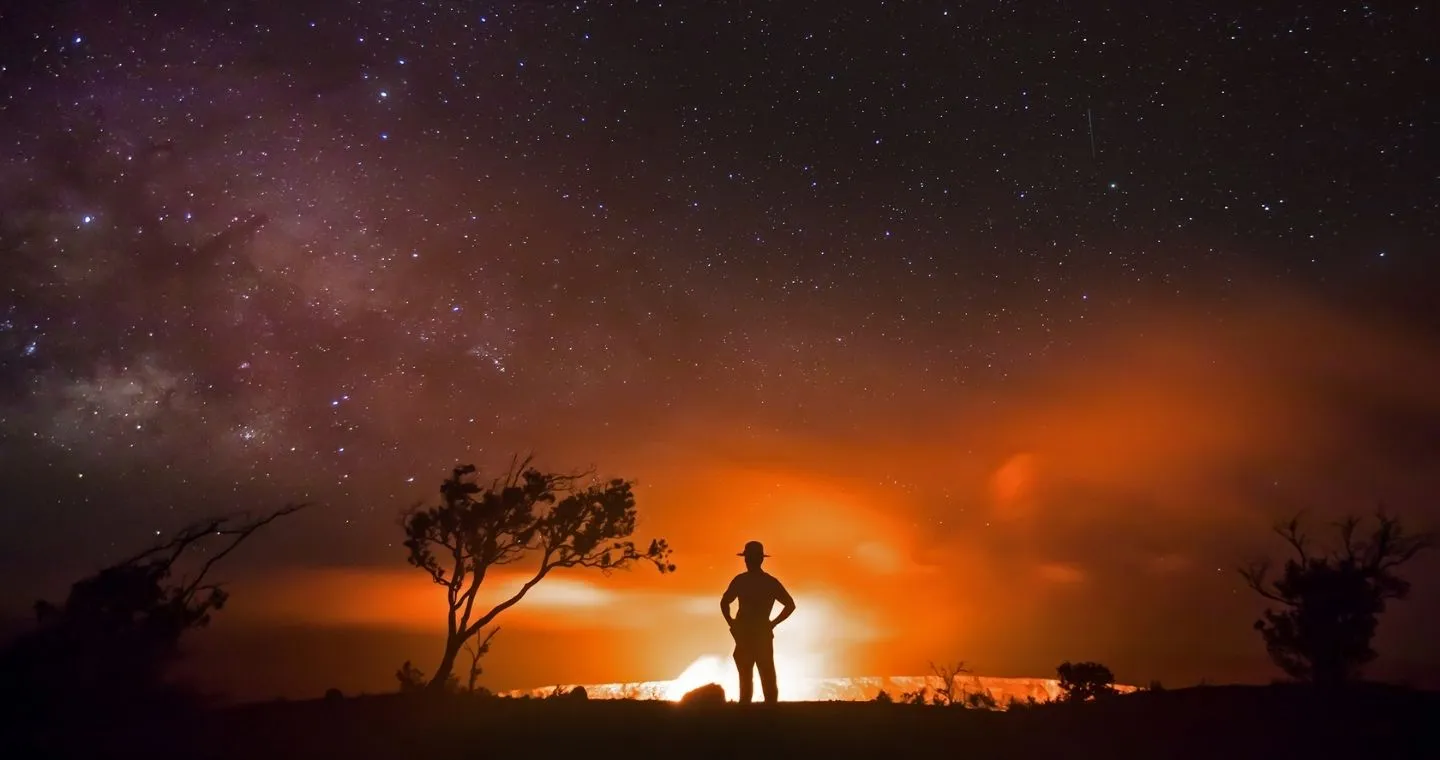
During volcano hikes, guides become navigators and safety leaders. They manage pacing, provide ecological insights, and ensure that trekkers remain on safe routes through variable terrain.
Their knowledge of both wildlife and geography transforms the experience from a physical challenge into an educational journey.
Emotional Contrast Between the Two Experiences
The emotional rhythm of this combined safari is highly distinctive. Gorilla trekking is often described as intimate and reflective. It is about presence, observation, and quiet connection with a single gorilla family.
Volcano hiking, in contrast, is expansive and achievement-oriented. The emotional reward comes from reaching the summit, overcoming physical effort, and experiencing panoramic views of the Virunga landscape.
Together, these experiences create a balance between emotional depth and physical accomplishment.
Conservation and Environmental Significance
Both activities are deeply tied to conservation efforts. Gorilla trekking permits directly fund the protection of endangered mountain gorillas, anti-poaching patrols, and community development programs in surrounding areas.
Volcano hiking contributes to the maintenance of protected landscapes within the Virunga ecosystem. Controlled access helps preserve fragile alpine environments and ensures that tourism does not degrade sensitive habitats.
This combination therefore supports both wildlife conservation and ecosystem protection at different ecological levels.
Accessibility and Travel Flow
One of the advantages of this combined experience is its geographic efficiency. Gorilla trekking and volcano hiking take place within the same general region of northern Rwanda, making travel logistics relatively straightforward compared to multi-country safaris.
Most travelers base themselves near Volcanoes National Park and structure their itinerary over several days, allowing for acclimatization and flexible scheduling depending on weather conditions and permit availability.
This compact structure makes the experience suitable for travelers with limited time who still want both wildlife and mountain adventure.
Final Perspective
A combined gorilla safari and volcano hike in Rwanda offers one of the most concentrated adventure experiences in Africa. It merges close-range wildlife observation with high-altitude mountain exploration in a single, cohesive itinerary.
In the forests of Volcanoes National Park, you encounter gorillas in their natural social environment, observing behaviors that reflect intelligence, family structure, and adaptation. On the volcanic slopes, you experience the scale and power of the Virunga landscape, where geography itself becomes the focus of the journey.
The combination is powerful because it operates on two levels at once: the intimate and the expansive, the biological and the geological, the emotional and the physical. It is this duality that makes it one of the most complete safari experiences available in the region.