
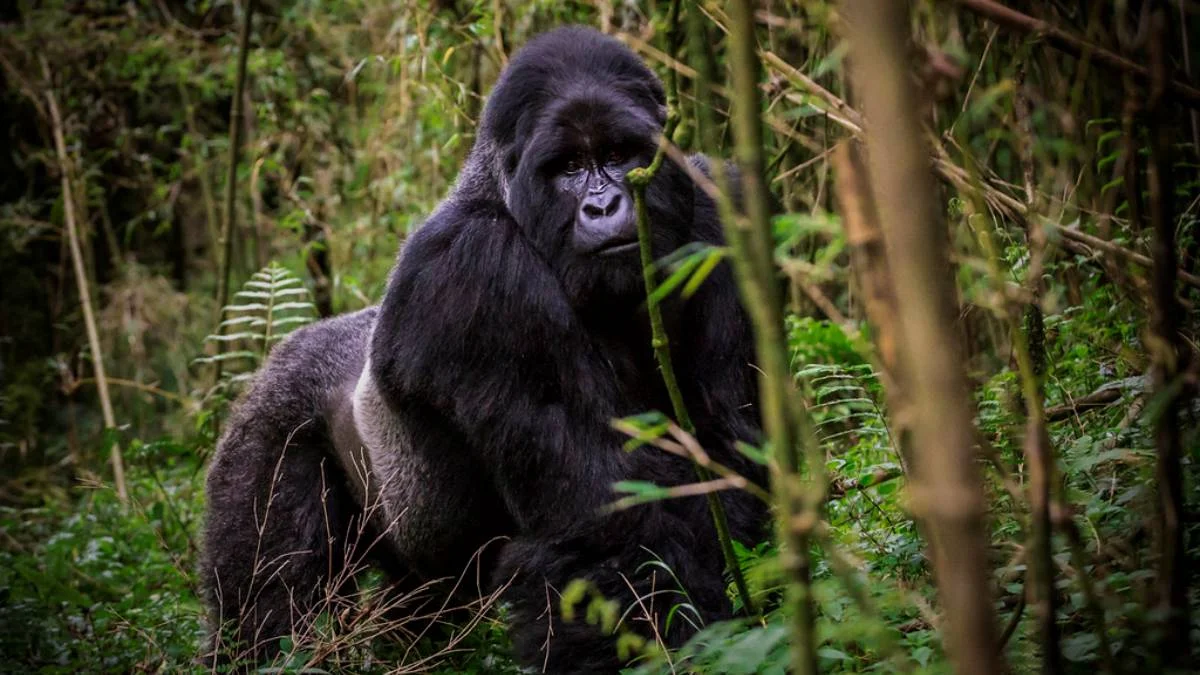
Gorilla Safari Photography Tour: Specialist Packages Available
A gorilla photography safari is a highly specialized form of wildlife travel designed for photographers who want more than just documentation of mountain gorillas-they want controlled conditions, optimal lighting opportunities, extended observation time (within conservation limits), and expert field guidance. In Uganda, these experiences are primarily centered around Bwindi Impenetrable National Park and, to a lesser extent, Mgahinga Gorilla National Park, both of which offer distinct photographic environments shaped by terrain, vegetation density, and gorilla group distribution.
Unlike standard gorilla trekking, photography-focused safaris are structured around maximizing visual quality while still respecting strict conservation protocols. This means timing, positioning, group size, and even trekking allocation are handled differently to support photographers in capturing high-quality images without disturbing the animals.
What Makes Gorilla Photography Tours Different
A specialist photography tour is not simply a standard trek with a camera. It is a curated experience where the entire day is optimized for image-making. The most important distinction is intent: while regular trekkers aim to experience gorillas emotionally and observationally, photographers aim to translate that experience into controlled visual storytelling.
This affects every stage of the journey. From permit selection to group assignment, operators often prioritize trekkers with photography goals into gorilla families that are more stable, accessible, or predictable in movement. This is particularly important in Bwindi, where terrain variability can significantly influence shooting conditions.
Permit Strategy and Group Allocation for Photographers
In both Bwindi and Mgahinga, gorilla trekking permits are strictly regulated, but photography packages often require additional planning. Operators may recommend specific sectors such as Buhoma, Ruhija, Rushaga, or Nkuringo in Bwindi depending on lighting conditions and forest structure.
Rushaga and Nkuringa, for example, are often favored for photography because of their varied terrain and occasional clearer forest openings. These conditions can allow better light penetration, which is critical for capturing usable images in a dense rainforest environment.
Group allocation is equally important. Photographers are typically placed in smaller groups where possible, reducing crowding around gorillas and increasing the chance of clean, unobstructed shots.
The Trek: Balancing Access and Photographic Opportunity
The trekking phase in a photography tour is shaped by two competing priorities: reaching the gorillas efficiently and maintaining conditions that support good photography.
In Bwindi, the dense rainforest presents both challenges and opportunities. The thick vegetation can limit visibility, but it also creates dramatic, atmospheric compositions with layered greens, filtered light, and natural framing. For photographers who specialize in environmental portraiture or documentary-style imagery, this complexity can be highly rewarding.
In Mgahinga, the landscape is more open and structured. Bamboo forests and volcanic slopes provide cleaner backgrounds and more predictable lighting conditions. This makes it particularly suitable for photographers who prefer clearer subject isolation and wider scenic compositions.
Light Conditions and Timing Challenges
One of the most significant challenges in gorilla photography is light management. Both Bwindi and Mgahinga are high-altitude equatorial environments where lighting conditions can change rapidly. Morning light is often soft but filtered through dense canopy in Bwindi, while midday conditions can introduce harsh contrasts in more open areas.
Photographers must adapt quickly to shifting light. Unlike studio or controlled wildlife environments, gorilla photography requires constant adjustment of exposure settings, shutter speed, and ISO sensitivity.
In Bwindi especially, low light is a defining characteristic. Even during peak daylight hours, the forest canopy can reduce available light significantly. This is why many photography-focused safaris emphasize equipment readiness and technical familiarity before entering the forest.
Behavior-Based Photography: Waiting for the Moment
Unlike many wildlife photography environments where animals can be anticipated or baited, gorilla photography is entirely behavior-driven. You are working with wild animals that move according to social dynamics, feeding patterns, and environmental conditions.
This requires patience. A dominant silverback may remain stationary for long periods, while juveniles may suddenly move through open spaces. Feeding behavior, grooming interactions, and resting periods all create different photographic opportunities.
Experienced guides play a crucial role here. They interpret gorilla behavior in real time and may suggest repositioning to anticipate movement rather than react to it. This collaboration between photographer and guide is central to successful outcomes.
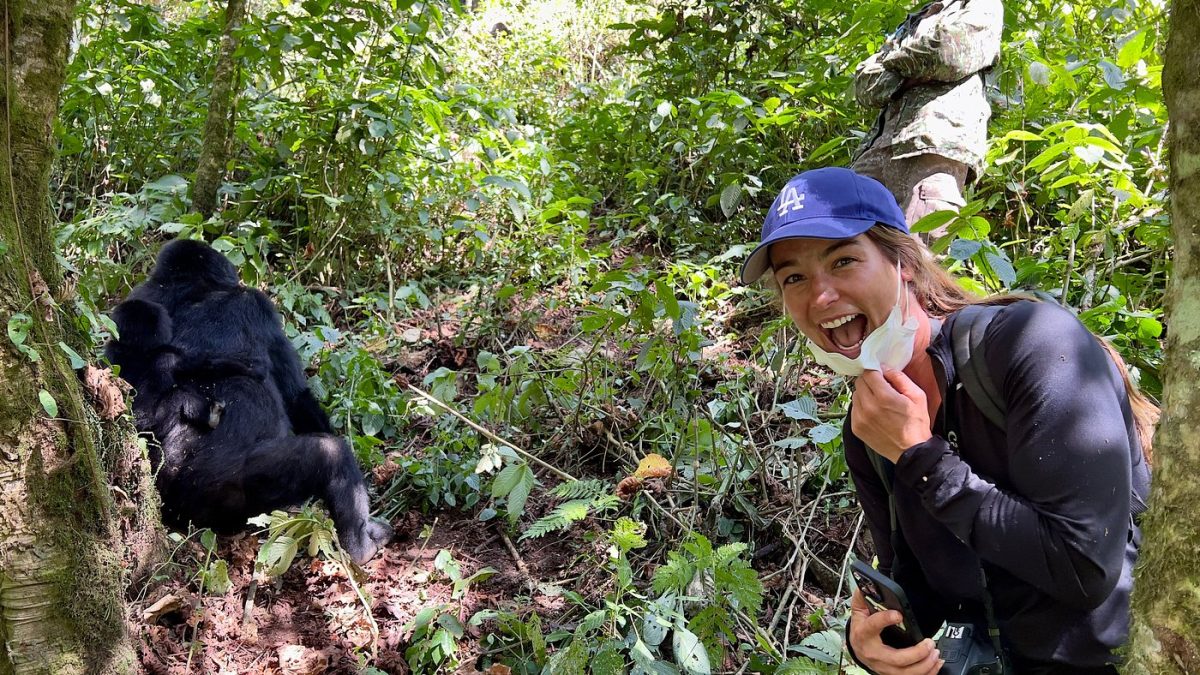
Composition in Dense Forest Environments
Photographing gorillas in Bwindi requires a strong understanding of composition under constrained conditions. The forest is visually complex, with overlapping vegetation, uneven terrain, and limited background separation.
Successful compositions often rely on isolating subjects through depth of field, using natural framing elements such as vines, branches, or tree trunks. Environmental storytelling is particularly important, where the gorilla is shown not as an isolated subject but as part of a larger ecosystem.
In Mgahinga, composition tends to be cleaner due to more open terrain. This allows for wider shots that incorporate volcanic landscapes or bamboo groves, offering a different visual narrative compared to Bwindi’s dense jungle aesthetic.
Specialist Photography Packages and Support
Photography-focused gorilla safaris often include additional logistical and technical support. These may include extended briefing sessions on forest behavior, early access to trekking groups, and in some cases, dedicated porters familiar with assisting photographers.
Some packages also incorporate acclimatization days, allowing photographers to adjust to altitude, humidity, and equipment handling in forest conditions before the actual trek.
While the core experience remains strictly regulated to one hour of gorilla viewing per habituated group, photography packages are designed to maximize efficiency within that time window.
Ethical Considerations in Gorilla Photography
Ethics play a central role in gorilla photography. The proximity of humans to endangered mountain gorillas requires strict adherence to conservation guidelines.
Photographers are expected to maintain minimum distances, avoid flash photography, and minimize movement that could disturb natural behavior. The goal is not to stage or influence interactions but to document authentic behavior in a responsible way.
This ethical framework is not optional. It is enforced by Uganda Wildlife Authority rangers and is essential for maintaining the long-term sustainability of gorilla tourism.
Equipment Considerations for Gorilla Photography
While this is not a technical guide, it is important to understand that gorilla photography requires specific preparation. Dense forest environments favor equipment capable of handling low light and fast adjustments.
Lenses that support flexible framing are often preferred, as gorillas may appear at varying distances. Stability is also important due to uneven terrain, making handheld adaptability more practical than heavy setups.
Weather protection is essential because both Bwindi and Mgahinga experience sudden rainfall, high humidity, and mist conditions that can affect both equipment and visibility.
Emotional Depth and Storytelling Potential
Beyond technical execution, gorilla photography is deeply emotional. The subjects are highly intelligent, socially complex animals whose expressions, interactions, and behaviors often mirror recognizable emotional states.
This creates strong storytelling potential. Images captured during a gorilla photography safari are not just wildlife records; they often convey themes of family, protection, curiosity, and vulnerability.
The extended focus required for photography also changes the way travelers engage with the experience. Instead of brief observation, there is sustained attention, which often leads to a more intimate understanding of individual gorillas and group dynamics.
Final Perspective
A gorilla safari photography tour in Uganda is one of the most demanding yet rewarding wildlife photography experiences available. It requires technical skill, physical endurance, patience, and strict ethical discipline.
Whether conducted in the dense rainforest of Bwindi or the volcanic landscapes of Mgahinga, the experience is defined by unpredictability and authenticity. Every frame is shaped not just by the photographer’s skill but by the forest itself-its light, its density, and its living, moving subjects.
Ultimately, these specialist packages are not about capturing perfect images in a controlled sense. They are about capturing real moments in an uncontrolled environment, where conservation, behavior, and nature intersect in their most raw and honest form.