
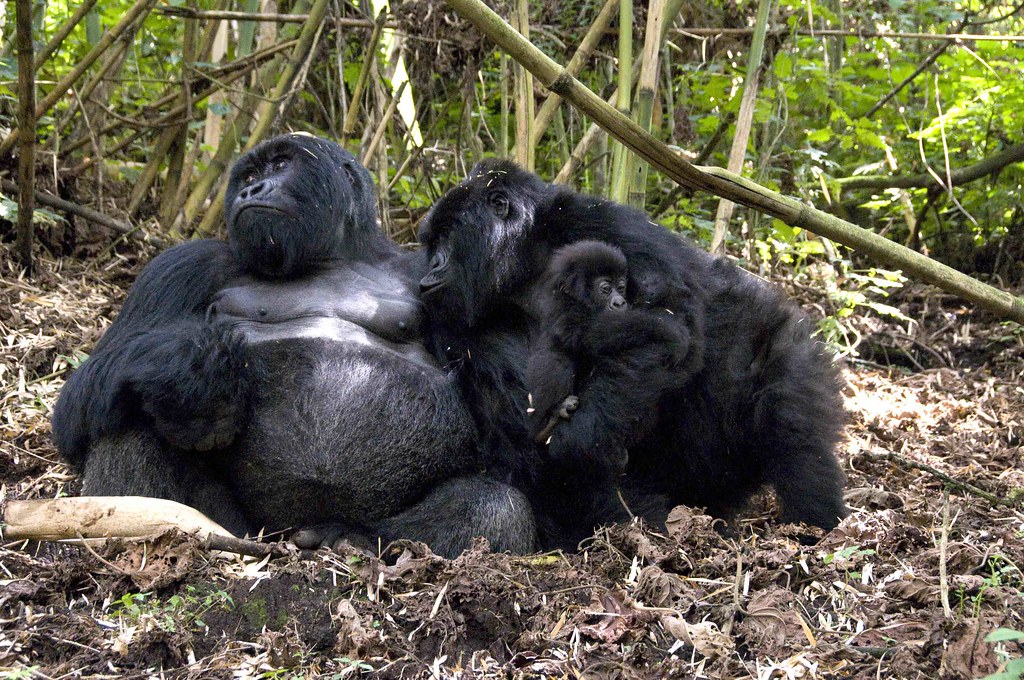
Why Mgahinga Is Uganda’s Most Underrated Gorilla Destination
Ask most travelers researching Uganda gorilla trekking to name a park, and Bwindi Impenetrable Forest comes up almost automatically, understandably, given its scale, its four sectors, and the sheer volume of habituated gorilla families spread across it. Mgahinga Gorilla National Park rarely gets mentioned in that same breath, despite sitting in the same remote southwestern corner of the country and offering a genuinely different, in several ways superior, experience for the right kind of traveler. Why Mgahinga is Uganda’s most underrated gorilla destination comes down to a combination of exclusivity, terrain, and bonus wildlife that Bwindi, for all its scale, simply cannot replicate, and understanding these specific advantages helps explain why a small but growing number of experienced trekkers now actively choose Mgahinga over its far more famous neighbor.
A Park Built Around One Family, Not Twenty
Mgahinga’s defining characteristic, and the single biggest reason it remains so overlooked, is its size. At just under 34 square kilometers, the park is a fraction of Bwindi’s footprint, and it hosts a single habituated gorilla family, Nyakagezi, rather than the dozens spread across Bwindi’s four sectors. This sounds like a limitation until you understand what it actually means in practice: with only eight trekking permits issued per day for one family, Mgahinga offers an almost private encounter compared to the considerably larger daily visitor volume Bwindi’s more popular sectors, particularly Buhoma and Rushaga, regularly handle during peak season. Trekkers who have done both consistently describe Mgahinga’s atmosphere as noticeably quieter, fewer overlapping groups at the trailhead, less competition for the best viewing positions once the family is located, and a generally more intimate, unhurried encounter once the hour of viewing time begins.
The Nyakagezi Family’s Unusual History
The Nyakagezi family itself adds a further layer of intrigue rarely mentioned in broader Uganda gorilla trekking guides. Unlike most habituated families, which tend to stay within a fairly defined home range, Nyakagezi has a documented history of crossing the porous, unmarked borders between Uganda, Rwanda, and the Democratic Republic of Congo, moving freely across the shared Virunga Massif the three countries’ parks all sit within. This occasionally results in the family being temporarily unavailable for trekking in Uganda if it has wandered across into Rwandan or Congolese territory, a genuine quirk of cross-border wildlife movement that experienced operators account for when advising clients, but one that also underscores just how wild and unconfined this particular family’s existence genuinely is compared to some more territorially predictable groups elsewhere. Our page on gorilla families in Mgahinga National Park covers Nyakagezi’s specific composition and recent history in more detail for travelers who want to research the family before booking.
Three Volcanoes Where Bwindi Has None
Perhaps the single most underrated aspect of Mgahinga is its volcanic terrain. The park sits directly on the slopes of three of the eight Virunga volcanoes, Mount Muhavura, Mount Gahinga, and Mount Sabyinyo, giving visitors the option to combine a gorilla trek with a genuine volcano hike within the same trip, an activity combination Bwindi’s rainforest terrain simply cannot offer. Mount Muhavura, the tallest of the three at over 4,100 meters, rewards a demanding but genuinely achievable day hike with sweeping views across Uganda, Rwanda, and the DRC simultaneously from its crater rim, a perspective few other single vantage points in East Africa can match. Mount Gahinga’s more moderate climb suits travelers wanting a shorter volcanic hike without Muhavura’s full physical demands, while Sabyinyo’s summit, shared across all three countries’ borders, offers the rare novelty of standing in three nations from a single point.
Golden Monkeys: A Species Bwindi Simply Doesn’t Have
Beyond the volcanoes, Mgahinga holds a wildlife distinction entirely its own within Uganda: it is the only park in the country where golden monkeys can be trekked. These striking, endangered primates, found only within the Virunga Massif’s bamboo forest zones, offer a genuinely different primate encounter from gorilla trekking, playful, fast-moving, and often found in larger groups than a single gorilla family, making for an energetic, visually rewarding half-day activity that pairs naturally with a gorilla trek on a multi-day Mgahinga itinerary. Travelers who assume Uganda’s golden monkey trekking happens in Bwindi are consistently surprised to learn this specific experience exists only at Mgahinga among Uganda’s parks, a genuinely distinctive offering that alone justifies including the park in trip planning even for travelers who ultimately choose to trek gorillas elsewhere.
Comparing the Practical Trade-Offs Against Bwindi
None of this means Mgahinga is simply better than Bwindi in every respect, and an honest comparison matters more than pure enthusiasm for the underdog park. Bwindi’s considerably larger number of habituated families means meaningfully more permit availability, particularly valuable during peak season when Mgahinga’s single family and eight daily permits sell out quickly. Bwindi’s four sectors also offer more accommodation choice across every price tier, while Mgahinga’s smaller visitor base supports a correspondingly smaller, though still genuinely comfortable, range of lodges. Our detailed page on gorilla safaris in Bwindi versus Mgahinga breaks down this comparison further for travelers still deciding between the two, since the right choice genuinely depends on individual priorities rather than one park being objectively superior across every category.
Terrain Difficulty: A Genuine Point of Difference
Trek difficulty is worth addressing directly, since it varies meaningfully between the two parks in ways that matter for trip planning. Mgahinga’s volcanic slopes tend to involve steeper, more sustained elevation gain than many of Bwindi’s routes, given the terrain’s origins as genuine volcano flanks rather than rainforest valley floors, though the overall trek length is often shorter given the family’s smaller home range relative to Bwindi’s considerably larger sectors. Travelers with strong cardiovascular fitness but less patience for Bwindi’s occasionally multi-hour treks sometimes find Mgahinga’s steeper-but-shorter profile genuinely preferable, while those specifically seeking the dense, classic rainforest trekking experience most gorilla trekking marketing depicts should lean toward Bwindi instead. Neither approach is more authentic than the other; they simply reflect different terrain the same species happens to inhabit across the shared Virunga ecosystem.
Accessibility From Kisoro and the Rwanda Border
Mgahinga’s location offers a genuine practical advantage for travelers combining Uganda and Rwanda into a single itinerary. The park sits close to Kisoro town and the Cyanika border crossing into Rwanda, meaning a Mgahinga gorilla trek pairs naturally with a Rwanda extension without the longer transfer times Bwindi’s more remote sectors, particularly Nkuringo and Rushaga, sometimes require. Travelers building a combined itinerary across both countries often find routing through Mgahinga first, then crossing directly into Rwanda’s Volcanoes National Park, considerably more efficient than looping back through Bwindi and Kampala before heading to Kigali separately. This geographic advantage rarely factors into standard Uganda-only itinerary planning but becomes genuinely significant for travelers whose trip already spans both countries.
Why So Few Travelers Know About This
Given these genuine advantages, it is worth asking directly why Mgahinga remains so consistently overlooked in broader gorilla trekking marketing and travel planning. Part of the answer is simple visibility: Bwindi’s decades-long head start as Uganda’s flagship gorilla destination, combined with its considerably larger marketing footprint and permit volume, means most travelers encounter Bwindi first in their research and never look further. Part of it is also genuine risk aversion among operators, a single-family park with only eight daily permits and a documented history of that family occasionally crossing international borders feels less reliably bookable to some agents than Bwindi’s larger, more predictable permit pool, even though Mgahinga’s actual trekking success rate remains genuinely strong for travelers who book with accurate expectations. This combination of historical momentum and perceived booking risk, rather than any real deficiency in the park itself, is largely why Mgahinga remains Uganda’s most underrated gorilla destination despite offering experiences Bwindi simply cannot match.
What a Mgahinga-Focused Itinerary Actually Looks Like
Travelers persuaded to prioritize Mgahinga typically build a three- or four-day itinerary combining the gorilla trek itself with either a golden monkey trek or a volcano hike, sometimes both if fitness and time allow, rather than treating the gorilla encounter as the sole activity. Our page on multi-day Mgahinga hiking and wildlife safari tours covers exactly this kind of combined itinerary in more depth, useful for travelers who want to make the most of a park most visitors treat as a single-activity stopover rather than the multi-day destination it genuinely rewards being treated as. Building in a buffer day is also worth considering specifically because of Nyakagezi’s cross-border movement, giving your itinerary enough flexibility to reschedule a trek by a day if the family happens to be across the border in Rwanda or Congo on your originally planned date.
Making the Case for Mgahinga on Your Next Trip
Why Mgahinga is Uganda’s most underrated gorilla destination ultimately comes down to a simple mismatch between what the park actually offers, genuine exclusivity, volcanic hiking, golden monkeys found nowhere else in the country, and how little of that reaches most travelers during initial trip research. Our overview of reasons to visit Mgahinga National Park rounds out the broader case beyond gorilla trekking specifically, and our page on the gorilla habituation experience is worth reading if a longer, more immersive primate encounter interests you beyond the standard one-hour trek. For travelers still weighing where to focus their Uganda itinerary, a well-paced three-day Bwindi gorilla trekking safari remains an excellent, thoroughly proven choice, but travelers willing to look past the more obvious option will find Mgahinga offers a genuinely distinctive experience worth serious consideration, not a lesser substitute for Bwindi, but a legitimately different, in several specific ways more rewarding destination in its own right.